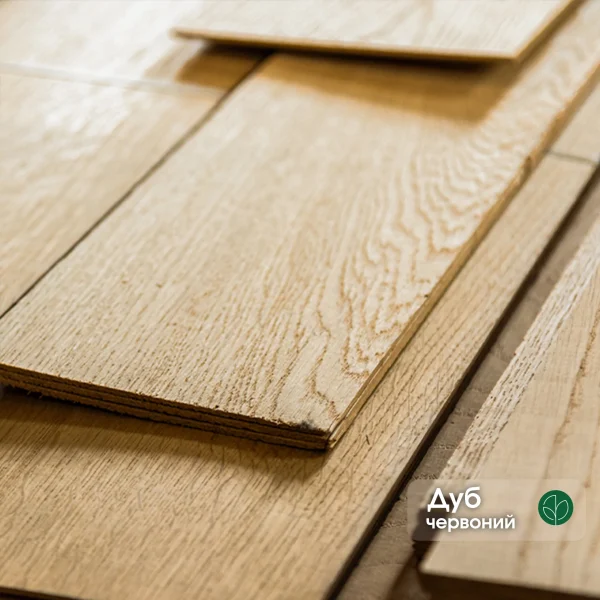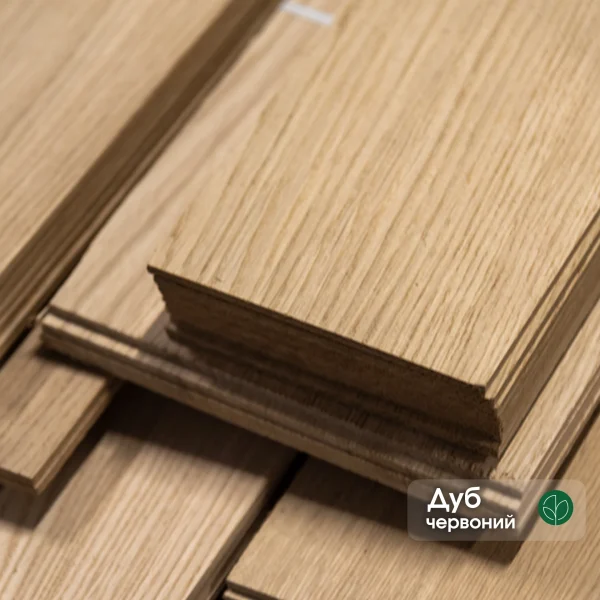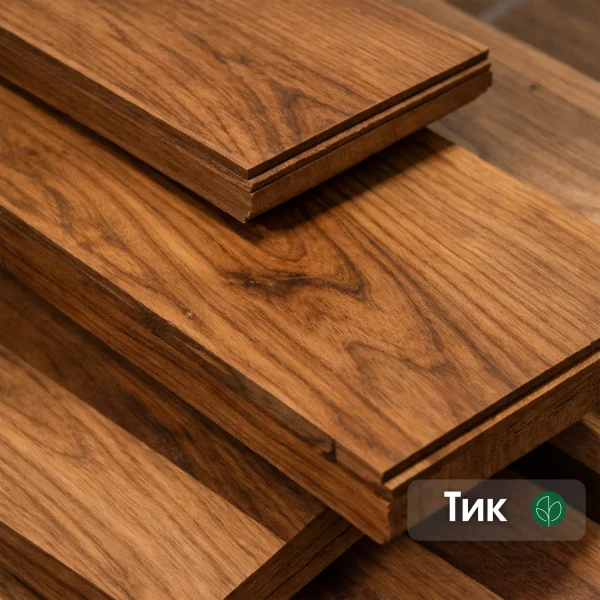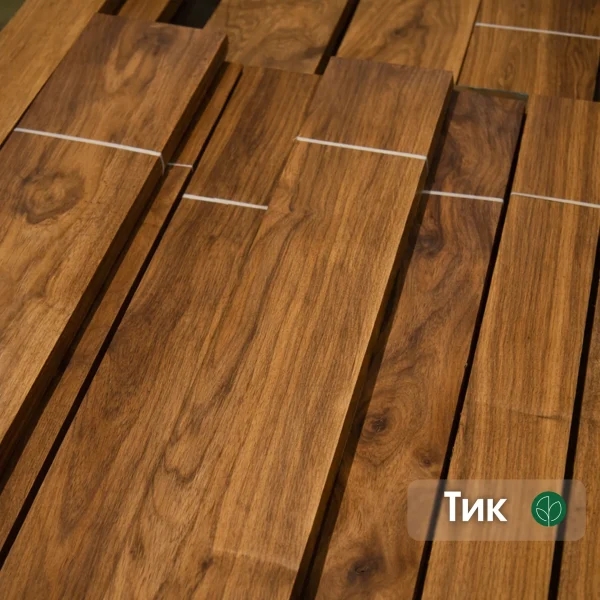
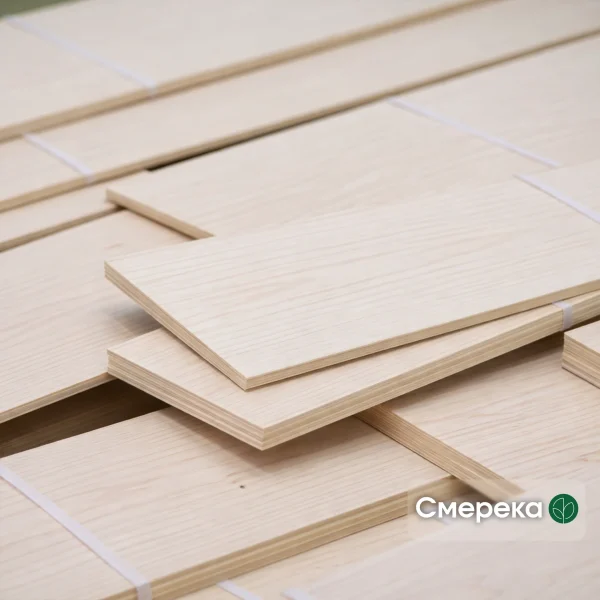


Spruce sawn veneer (lamellas) 2.5 mm thick is a sawn timber product featuring a uniform light golden tone and a distinct growth ring pattern. Spruce sawn lamellas are easy to process: they bond, cut, and sand cleanly. These sawn sheets are suitable for facing furniture fronts and producing wall and ceiling panels. Order sawn veneer starting from 1 pack or in wholesale volumes. We provide remote material selection. We ship across Ukraine via freight carriers, with warehouse pickup available from our warehouse in Kyiv.
Key Features of Spruce Sawn Veneer (Lamella)
- Structural integrity. Due to the sawing technology, the timber maintains a stable structure and fibre integrity, ensuring high surface quality.
- Natural colour palette. The production process for lamellas does not require preliminary steaming. This preserves the natural wood shades without unwanted yellow or red tints, which is critical for design projects.
- Durability and restoration. With thicknesses ranging from 2 mm to 10 mm, lamella products can be sanded and refinished multiple times (similar to solid wood boards). This makes the material ideal for high-traffic flooring, stairs, and furniture.
- Stability. Sawn veneer demonstrates high resistance to fluctuations in humidity and temperature. The risk of deformation in products veneered with these sheets is minimal.
- Workability. The smooth and clean surface after sawing ensures excellent adhesion with all types of adhesives (PVA, PU, resins). Veneer sheets are easy to cut, sand, stain, and varnish.
Custom Spruce Sawn Lamella
We stock Acacia sawn veneer in thicknesses of 2.5 mm and 4.5 mm, lengths of 2–3.2 m, and widths of 10–21 cm.
Made-to-order options:
- Thickness: Non-standard sizes from 2 mm to 10 mm.
- Dimensions: Custom widths and lengths available upon request.
- Minimum order quantity (MOQ): From 10 m² per species.
- Lead time: 10 working days.
TIP. Always order sawn lamellas with a 10–15% surface area allowance. Extra material is essential for grain matching and figure alignment, as well as for end trimming and cross-cutting.
Spruce Sawn Veneer Grades
For facing materials, the grade indicates aesthetic characteristics rather than technical quality. Since lamella is used as a face layer, its classification is based on visual parameters: the presence of knots, sapwood, medullary rays, and colour uniformity.
All grades in our range undergo the same kiln-drying cycle to a moisture content (MC) of 8–10% and precision thickness sanding. The choice of grade depends solely on the intended style of the finished product.
| Grade | Characteristics |
|---|---|
| A (Select / Prime) |
The highest level of timber selection, prioritising clarity and uniformity.
|
| B (Natural) |
This material showcases the wood’s texture, balancing clarity with authenticity.
|
| C (Rustic / Country) |
Highly expressive texture that emphasises the material’s natural origin.
|
Where is Spruce Sawn Veneer Used?
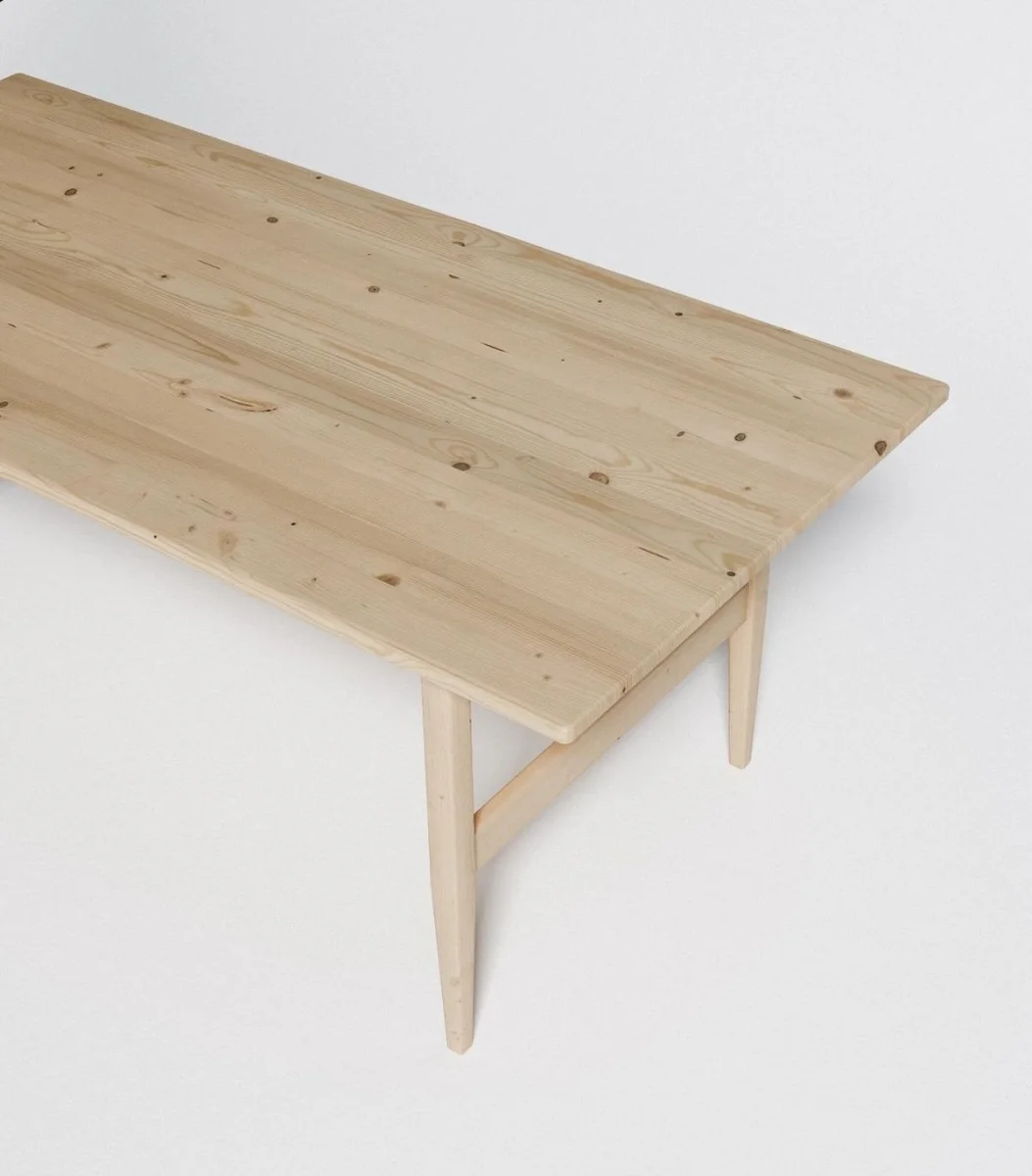
Worktops
Sawn veneer sheets are a durable material used for desks, coffee tables, and side tables, as well as bar counters, shop counters, reception desks, and kitchen islands.
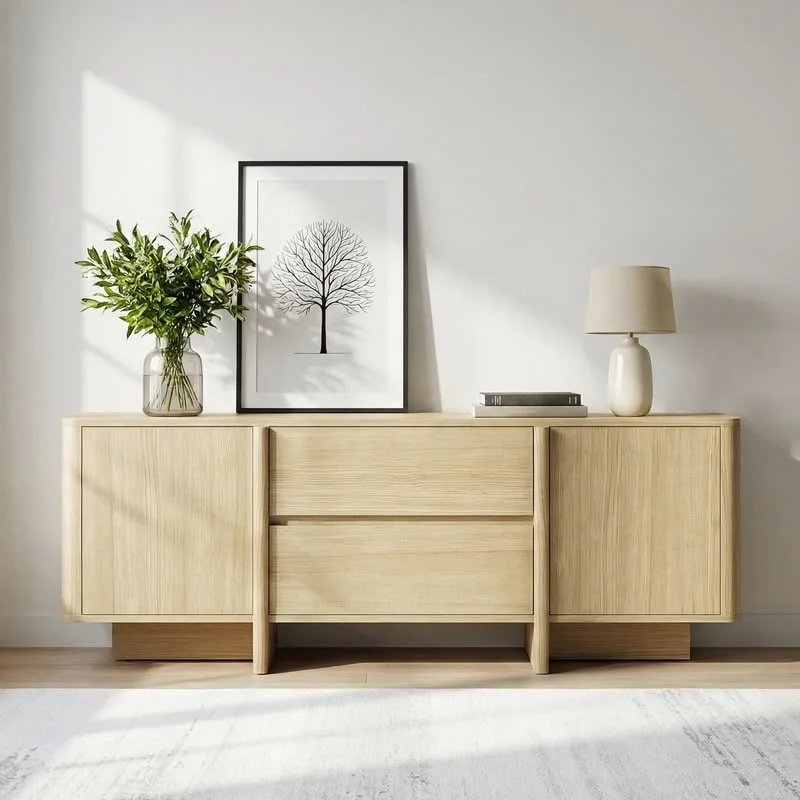
Furniture Fronts
Sawn lamella allows for the creation of unique custom cabinetry. Due to its sufficient thickness, veneered fronts can be milled or wire-brushed. Additionally, lamellas are used to create louvred fronts for wardrobes and other storage areas. Timber-faced doors for cabinets, chests of drawers, and sideboards are essential elements for bespoke design projects.
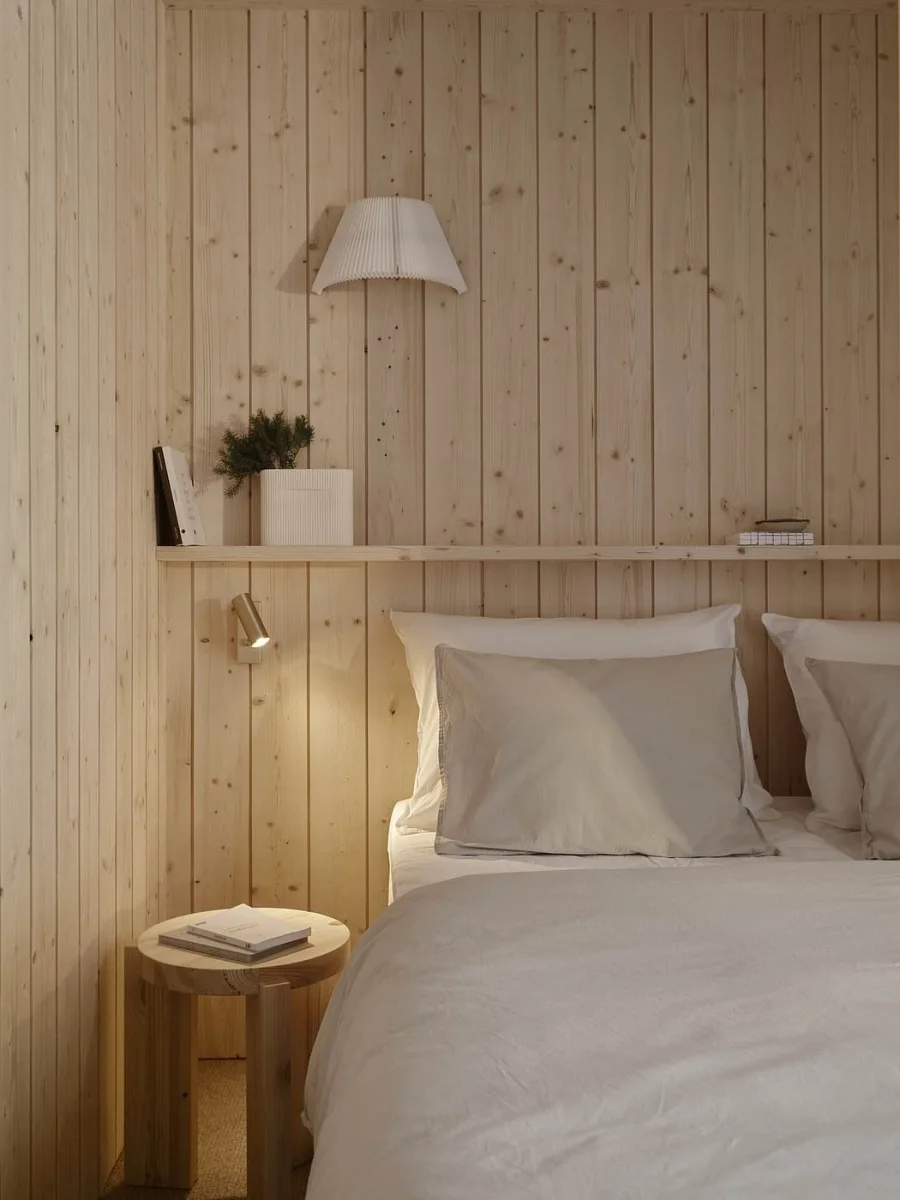
Wall Panels
Interior timber panels are not only wall or ceiling finishes but also an opportunity to enhance local lighting. LED-backlit panels are popular for living rooms and bedrooms. Veneered wall panels are also used for the interior fit-out of cafes, restaurants, retail spaces, and offices.
Interior Decor
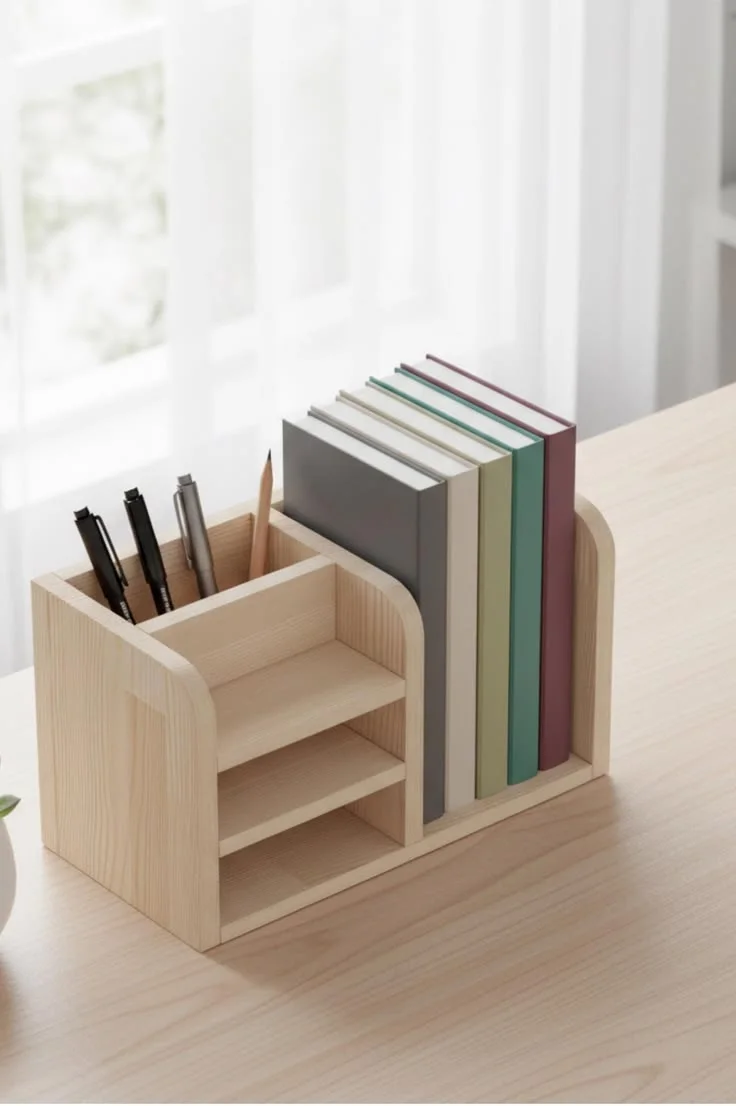
Timber lamellas are used to manufacture various decorative products. The material is easy to cut, glue, paint, varnish, and stain. Sawn lamella is used to create toys, puzzles, coasters, napkin holders, boxes, phone holders, decorative panels, stationery organisers, cosmetic stands, wall clocks, and more.
Spruce Sawn Lamella Production Technology
- Raw material selection. The production process begins with the rigorous selection of premium and prime-grade boards. This stage defines the quality of the future product, as timber characteristics directly affect the aesthetics and performance of the lamella.
- Kiln drying. Selected raw materials undergo drying in specialised kilns. This technology allows for the achievement of an optimal joinery moisture content (MC) level (8–10%), which is essential for material stability. Correct drying reduces internal stresses and prevents deformation or cracking.
- Calibration. Before sawing, the boards are calibrated to dimensions that match the parameters of the saw frame. This approach ensures high precision in subsequent processing and optimal material yield.
- Sawing. Prepared blanks are fed into a Wintersteiger machine. After setting the thickness and other parameters, the timber is resawn into sheets. The use of high-precision equipment guarantees consistent saw-cut quality.
- Quality control (QC) and grading. The finished sawn veneer is inspected for compliance with dimensions, thickness, and grade. After grading, the lamellas are grouped into bundles, which are then packed onto pallets for transport.
Spruce Timber: A Technical Overview
Spruce (Picea abies), is the primary coniferous species of the Carpathian region and one of Europe’s most critical industrial softwoods. Due to its lightweight nature, elasticity, and exceptional acoustic properties, spruce is indispensable in structural engineering, musical instrument manufacturing, and the production of linear mouldings and profiles. Its primary botanical range encompasses Central, Northern, and Eastern Europe. In Ukraine, spruce forms extensive forest stands in the Carpathians at altitudes between 600 and 1,600 metres. Timber of «tonewood» quality, harvested from high-altitude stands, is particularly valuable for specialized industrial use: such wood features tight annual growth rings and a highly uniform structural composition.
Spruce is less dense than pine but surpasses it in terms of elasticity and resistance to splitting (cleavage). Its density typically ranges from 430 to 470 kg/m³, and the Brinell hardness values are rated at 1.2–1.5 HB. Its bending strength and capacity are high, considering its low weight-to-strength ratio.
Spruce is a non-color-differentiated heartwood species (ripewood). The timber exhibits a uniform white or pale yellow hue. Unlike pine, it is highly resistant to darkening over time. The texture is clearly defined. Annual rings are prominent due to the sharp contrast between earlywood and latewood. The grain is straight and long-fibered, providing high tensile strength. A characteristic feature of this softwood is the presence of numerous small, sound knots.
The timber exhibits excellent machining properties and is easily processed with all types of woodworking tools. Spruce sands and turns well, although the presence of hard knots requires the use of high-quality, sharp tooling. The resin content is significantly lower than in pine, and the resin canals are smaller. This facilitates superior gluing and finishing processes (lacquering, staining, and painting). The solid wood provides excellent withdrawal resistance for adhesives and metal fasteners. Due to its long fibers, the species is less prone to splitting when driving screws or nails compared to fir. It is considered the «gold standard» for manufacturing soundboards for violins, guitars, and pianos. For this premium application, only timber with perfectly parallel grain and a ring density of 4–6 rings per cm is utilized. Spruce is a primary material for timber-frame construction (due to its low self-weight) and high-end interior joinery.
We will help you select the right sawn lamellas for your project! Request a callback or contact us directly: +380 (67) 180-38-13.