
Order
Place order
Clear the whole list?
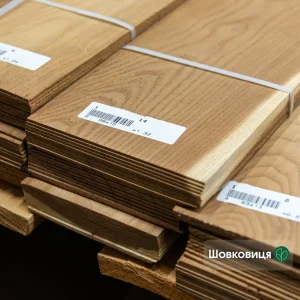
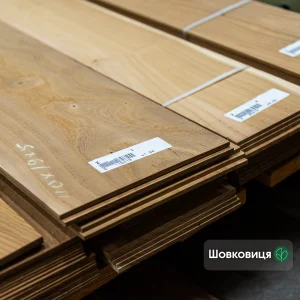
Sawn mulberry veneer or lamella is a thin slice of wood that retains all the physical and aesthetic properties of solid wood. Facing material is dispatched from 1 pack. We supply wholesale orders. Remote selection is available. Lamellas can be purchased for collection from our warehouse in Kyiv.
Sawn mulberry veneer or lamella is a thin slice of wood that retains all the physical and aesthetic properties of solid wood. Facing material is dispatched from 1 pack. We supply wholesale orders. Remote selection is available. Lamellas can be purchased for collection from our warehouse in Kyiv. Delivery across Ukraine via carrier companies.
The sheets are produced using a sawing technology that prevents internal microcracks and preserves maximum structural strength. Sawn mulberry lamella belongs to the category of valuable materials used in the production of exclusive furniture, marquetry (inlay), and decorative interior finishes.
Using sawn mulberry veneer instead of solid boards provides a number of advantages for joinery production:
Because the diameter of a mulberry trunk is usually small, obtaining wide boards is problematic. This is exactly why fruitwood is typically used for designer products. Mulberry timber products are an exclusive material available in relatively small quantities.
A grade is a quality indicator based on the visual characteristics of the timber. The grade is determined by the presence, size, and quantity of natural wood features (knots, sapwood, cracks, resin pockets), as well as processing defects.
Mulberry has a distinct texture and a contrasting transition between light sapwood and dark heartwood, so it is important to understand how the product should look. We invite you to review the table indicating the main features of the grades.
| Characteristics | Grade 1 (A) | Grade 2 (B) | Grade 3 (C) |
|---|---|---|---|
| Feature | This is the highest quality material. It is intended for finishing premium products. | A mid-price category material that retains strength indicators but has a more pronounced natural pattern. | A lamella with significant visual flaws but which retains its structural stability (due to the thickness of the sawn veneer). |
| Visual characteristics | Uniform colour, straight grains. The texture is homogeneous. | Noticeable colour variations are allowed (a characteristic feature of mulberry), as well as small stripes of light sapwood on the edges of the lamella. | A mottled surface with sharp colour transitions. A significant presence of sapwood that strongly contrasts with the dark heartwood of the mulberry. |
| Tolerances | Cracks, rot, wormholes, and sapwood are excluded. The presence of occasional “live” (sound) knots up to 2-3 mm in diameter is allowed if they do not disrupt the overall texture. | The presence of sound intergrown knots (up to 15-20 mm in diameter), end microcracks that do not affect the integrity of the sheet, and curly grain areas are permitted. | Large knots (including dark ones) of various types and minor machine sawing defects are allowed. Friable rot is not permitted. |
| Scope of application | Veneering cabinet furniture doors, worktops, exclusive wall panels, and marquetry. | Manufacturing furniture in a loft or rustic style (where the natural “imperfection” of wood is valued), facing internal and external surfaces of wardrobes and shelves, and producing parquet boards. | Used as a technical compensation layer for double-sided veneering, as well as for designer projects with resin casting, where wood defects become part of the decor. |
A lamella with a thickness of 2-10 mm is considered an analogue of solid wood in terms of its visual, tactile, and operational characteristics. The main areas of application for sawn mulberry veneer are as follows:
Furthermore, interior decor is made from sawn lamellas. Wooden key holders, caskets, organisers, panels, and vases for dried flowers are highly sought after.
The production of sawn veneer (lamellas) requires strict adherence to technology. The stability, durability, and aesthetic appeal of future products depend on the quality of these operations.
Sawn mulberry veneer is a premium facing material. The lamella is usually used for surfaces exposed to significant mechanical stress.
Mulberry (Morus) is a hard deciduous species growing in temperate and subtropical climate zones worldwide. Mulberry trees rarely form continuous forest tracts and predominantly have a small trunk diameter (30–50 cm). This makes industrial harvesting limited, turning the raw material into a scarce and exclusive product.
The density of the dry solid wood is ~690 kg/m³, and the Brinell hardness is 4-4.1. Products made from this heavy timber are massive, durable, and stable. The wear-resistant timber is suitable for floor coverings, stairs, and worktops.
The wood demonstrates excellent resistance to static and dynamic bending loads. The solid wood possesses high toughness and elasticity.
The sapwood is thin and has a light yellowish-white colour. The heartwood of a fresh cut stands out with a bright golden-yellow hue. Under the influence of ultraviolet light and oxygen, the wood darkens relatively quickly, acquiring a reddish-brown or copper tone.
The grains are mostly straight. The texture is homogeneous. Mulberry has a pronounced natural lustre. Earlywood contains large pores gathered in 2–5 rows, while latewood has small pores. This anatomical feature forms a clear, contrasting, and expressive pattern of annual rings on the cut.
Despite its high density, mulberry is easily cut, planed, and routed. The material accepts joinery glues. High density guarantees the reliability of mechanical joints. The wood sands and polishes excellently, absorbing oils and waxes that fully reveal its golden lustre.
The company’s primary goal is to provide quick access to quality materials for furniture manufacturers, joiners, and craftsmen. We collaborate with furniture factories, construction companies, architectural and design studios, as well as private workshops. This exact experience has allowed us to develop a service and product range that meets market needs. Below are the key benefits of partnering with WoodWay Expert.
Customised commercial conditions are provided for regular wholesale clients. The size of the personal discount is determined based on the volume of purchases and the type of product.
You can order sawn veneer in several convenient ways. You can select the timber personally or seek advice from a manager.
Our team works with both small joinery workshops and large factories, making us ready to fulfill orders of various scales and complexities. If you need high-quality sawn veneer for mass production or an exclusive designer project, please contact us.
Sawn veneer is obtained by sawing a solid board into thin plates using special machines (such as Wintersteiger), whereas sliced veneer is cut with a knife. The main difference lies in thickness and strength: a lamella retains all the physical and structural properties of a board, making this timber optimal for surfaces subjected to wear (floors, worktops, stairs).
We offer sawn mulberry veneer with a thickness of 2.5 mm and 4.5 mm, a width from 10 to 21 cm, and a length of 0.5 – 3.5 m. Moisture content: 8–10% (the optimal joinery moisture level after professional kiln drying).
Freshly cut mulberry wood has a bright golden-yellow colour. Under the influence of oxygen and ultraviolet light, natural oxidation occurs, and the solid wood darkens, taking on a copper or reddish-brown hue. It is impossible to completely stop this process, but it can be significantly slowed down by using special acrylic or polyurethane varnishes with UV filters.
A lamella of this thickness has the capacity for future restoration (sanding). It is advisable to use the material where high operational loads are expected: as the top layer of parquet or engineered flooring, for facing stair treads, and for making solid dining tables and worktops.
Since mulberry is a hard and tough species, reliable adhesion to the base (MDF, chipboard, or plywood) requires the use of PVA glues (class D3 or D4) or polyurethane (PUR) glues.
The wood is heavy (690 kg/m³) and highly viscous. Sanding proceeds excellently: with a gradual reduction in abrasive grit (from P80 to P320), the surface acquires a mirror-like smoothness and a pronounced shine.
The choice depends on the operating conditions and the desired aesthetic result. Hard wax oil deeply penetrates the pores, highlights the golden hue, and preserves the tactile sensation of natural wood. It is optimal for wall panels, furniture doors, and parquet. It is easily restored locally. Varnish creates a reliable protective film. It is recommended for worktops and stairs to provide maximum protection against scratches and moisture.
Mulberry belongs to the segment of exclusive and scarce joinery materials. The species is not grown in forestry enterprises for mass woodworking. Solid wood usually comes from small sanitary fellings or private estates. Due to the small trunk diameter, the yield of clean, knot-free timber of significant width is severely limited.