
Order
Place order
Clear the whole list?
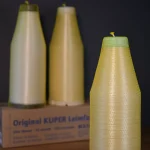
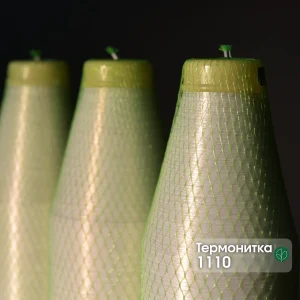
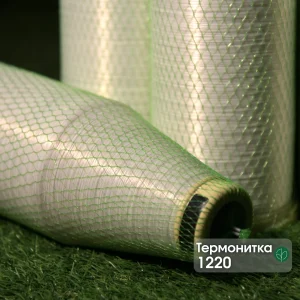
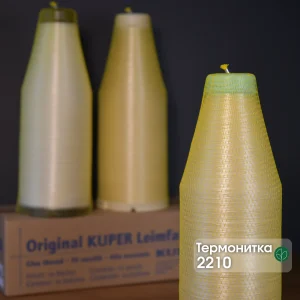
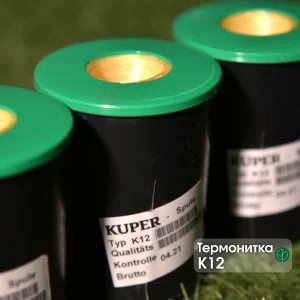
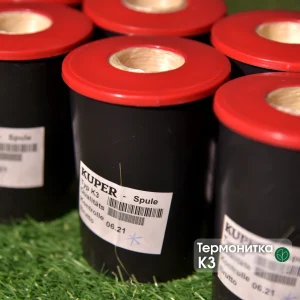
Kuper glue thread splices veneer on zigzag stitchers: types 1110, 1220, 2210, and K12 in stock. The thread melts and bonds the leaves on the back of the lay-on, leaving the face side untouched.
Veneer splicing thread is a glass-fibre-based material used to bond veneer components together. Glue thread is widely used in the furniture industry because it produces a neat, high-quality wood facing on particle board, MDF and plywood. Thread for veneer splicing goes into the manufacture of:
Woodworking specialists point to the following strengths of veneer splicing thread:
Glue thread for veneer splicing gives an even, barely visible joint with no build-up. Veneering with hot-melt thread improves the appearance of fronts and other products.
The Woodway Expert group of companies offers products from the German manufacturers Kuper and Schumann, trade and retail. Our managers will confirm the current price, delivery times across Ukraine and payment methods.
Hot-melt splicing thread is a synthetic monofilament that softens under heat and bonds to the surface. The material is used to splice natural veneer. The leaves are joined with dedicated hand-held machines or with an electric splicer. The thread consists of glass fibre and adhesive; under heat the adhesive melts and bonds the veneer leaves together.
Among the main characteristics of the material, specialists single out:
The Woodway Expert group of companies supplies veneer splicing thread made by the German companies Kuper and Schumann. The products of these two manufacturers are interchangeable and are considered the best solution for value for money.
Kuper veneer splicing thread is used in furniture making and in plywood production. Specialists advise against using the material in home-made or Chinese heaters and recommend professional equipment. A Kuper machine heats the thread correctly and gives high-quality veneering. The characteristic features of the glue thread are worth setting out:
Thanks to its low melting point, KUPER 1220 thread, like the rest of the German brand’s range, can be used both with hand-held machines and with automatic splicers.
The patented glue thread for veneer splicing from Schumann is a monofilament made of glass fibre and adhesives. The low melting point of the material means the thread can be used for veneer splicing with hand-held or automatic power tools. Sifa 921 thread, for instance, is intended for air-heated machines, while Sifa 920 is for machines with an electric thread heater.
Kuper and Schumann veneer splicing threads are interchangeable, so they require no special adjustment of the veneer splicing machine. Before veneering starts, the machine has to be loaded. The rest of the sequence comes down to the following steps:
Veneer splicing thread from German manufacturers guarantees a quality facing on carcass furniture fronts, doors, decorative items, wall and ceiling panels and other products. This safe, easy-to-use consumable is available trade and retail. The Woodway Expert group of companies offers veneering threads on favourable terms. Our sales managers will confirm the current price, stock and payment methods when the order is placed.