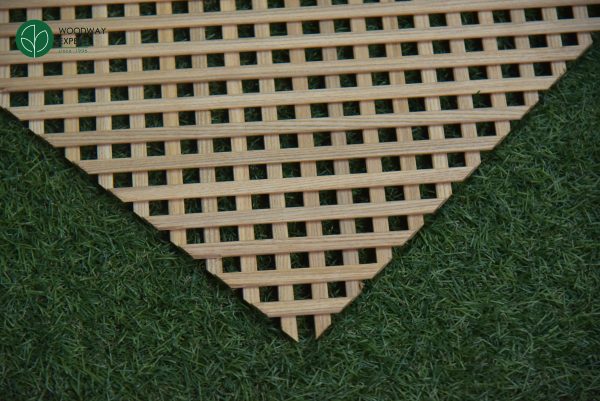


An oak decorative grille (lattice panel) measuring 1200×620 mm is an aesthetic material for space partitioning, as well as cabinetry and radiator cover decoration. These wood grilles are manufactured from calibrated slats with rounded edges (10×2.5 mm), bonded using an overlap joint with PVA wood glue. Diagonal assembly at a 45° angle forms 10×10 mm square openings. Shipping across Ukraine and self-pickup from our warehouse are available. Available for order starting from 1 unit.
Characteristics of the Oak Wood Lattice 3R
Calibrated and sanded slats are used to produce the decorative wood grilles. The joints are bonded using high-quality PVA wood glue.
- Mesh shape: 45° square.
- Mesh size: 10×10 mm.
- Slat size: 10×2.5 mm.
- Slat edge profile: rounded.
- Slat joint type: overlap.
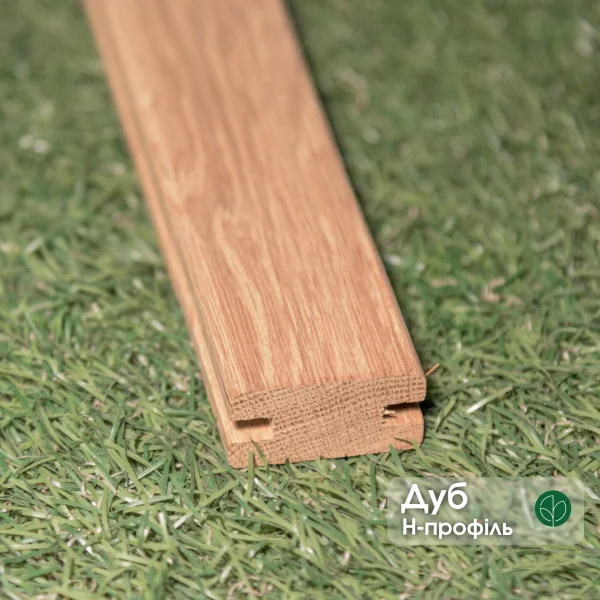
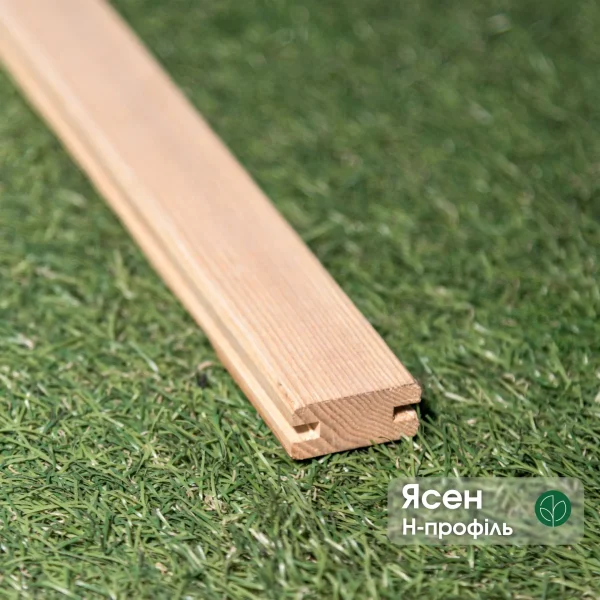
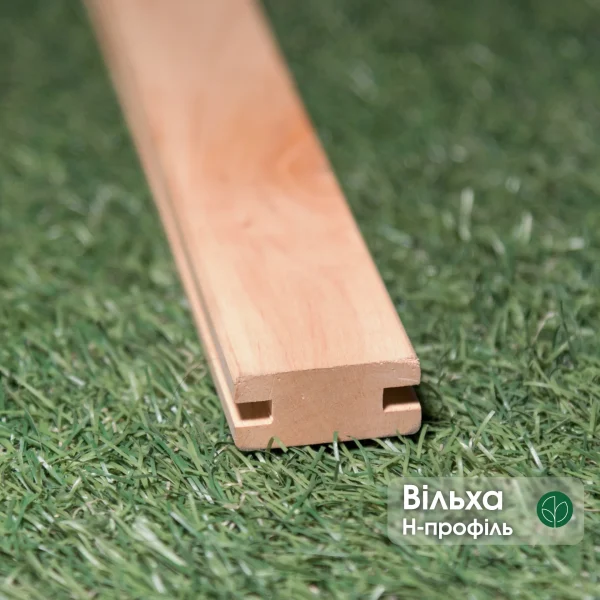
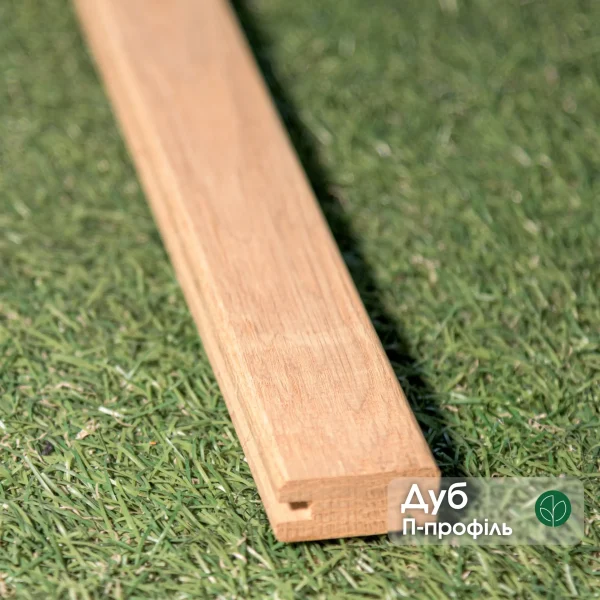
To give your structures a finished look, we offer special wood profiles:
- H-profile. This joining profile is used to securely splice several grilles into larger panels.
- U-profile. This framing profile is required for neat edge trimming and creating an aesthetic frame.
What are Decorative Oak Lattices used for?
Framed cabinet doors and furniture fronts
Decorative grilles are a popular choice for the framed fronts of wardrobes, cabinets, and chests of drawers. The material visually lightens casegoods design and facilitates natural air ventilation within the interior space.
Radiator screens and covers
To conceal radiators without blocking heat transfer, screens and covers made of decorative wood grilles are installed. These grilles, made from natural timber, fit seamlessly into both modern and classic interior designs.
Storage systems and organizers
Wooden grilles are used to manufacture functional crates and organizers. They allow users to see the contents easily and provide convenient storage for various small items, ranging from stationery and toys to clothing and accessories.
Partitions and mobile screens
Wood grilles act as practical space dividers and room partitioners. Easy to install and aesthetically pleasing, these structures divide rooms into functional zones while letting natural light pass through. Such solutions are ideal for commercial office spaces, waiting areas, and residential studio apartments.
Ventilation grilles
Wooden grilles serve as a premium alternative to standard plastic covers. Made from natural timber, these products mask ventilation shaft openings while ensuring the necessary air circulation.
Wall and ceiling decor
Using grilles in wall and ceiling cladding finishes adds rhythm, texture, and engaging visual accents to an interior space.
Photo backdrops and exhibition installations
The pre-sanded surface is easy to paint, stain, or lacquer, making wood grilles a versatile base for photo backdrops and exhibition stands. The openings are highly convenient for attaching lighting, garlands, or decorative elements.
Gazebos and pergolas
Wooden grilles are widely used as decorative screening elements in the construction of outdoor gazebos or pergolas. These lattice panels must be coated with protective exterior finishes to increase the material’s resistance to moisture, direct sunlight (UV rays), and temperature fluctuations.
Supports for climbing plants
Wooden grilles serve as reliable trellis supports for grapevines, roses, and other climbing plants, allowing the creation of garden arches, green walls, and privacy hedges. Please note that outdoor applications require treatment with antiseptic wood preservatives and protective agents.
Advantages of Oak Lattices
- Eco-friendliness. Timber is a sustainable, non-toxic material safe for the environment and human health. When properly maintained and operated, the products last for decades and are easily recyclable.
- Easy installation. The low weight simplifies the transport, handling, and installation of the decorative grilles.
- Wear resistance. When treated with a protective finish (lacquer, paint, or hardwax-oil), the oak grilles offer exceptional long-term durability.
- Cost-effectiveness. Wood grilles are a highly cost-effective material that helps solve a wide variety of commercial and residential design challenges.
- Simple surface finishing. The pre-sanded surface is straightforward to coat with waxes, oils, lacquers, and paints, significantly reducing preparation time for joiners.
To order decorative wooden grilles, add the chosen option to your cart, send an enquiry, or call: +380 (67) 180-38-13 (Viber, Telegram)
What Is Made from Decorative Oak Lattices?
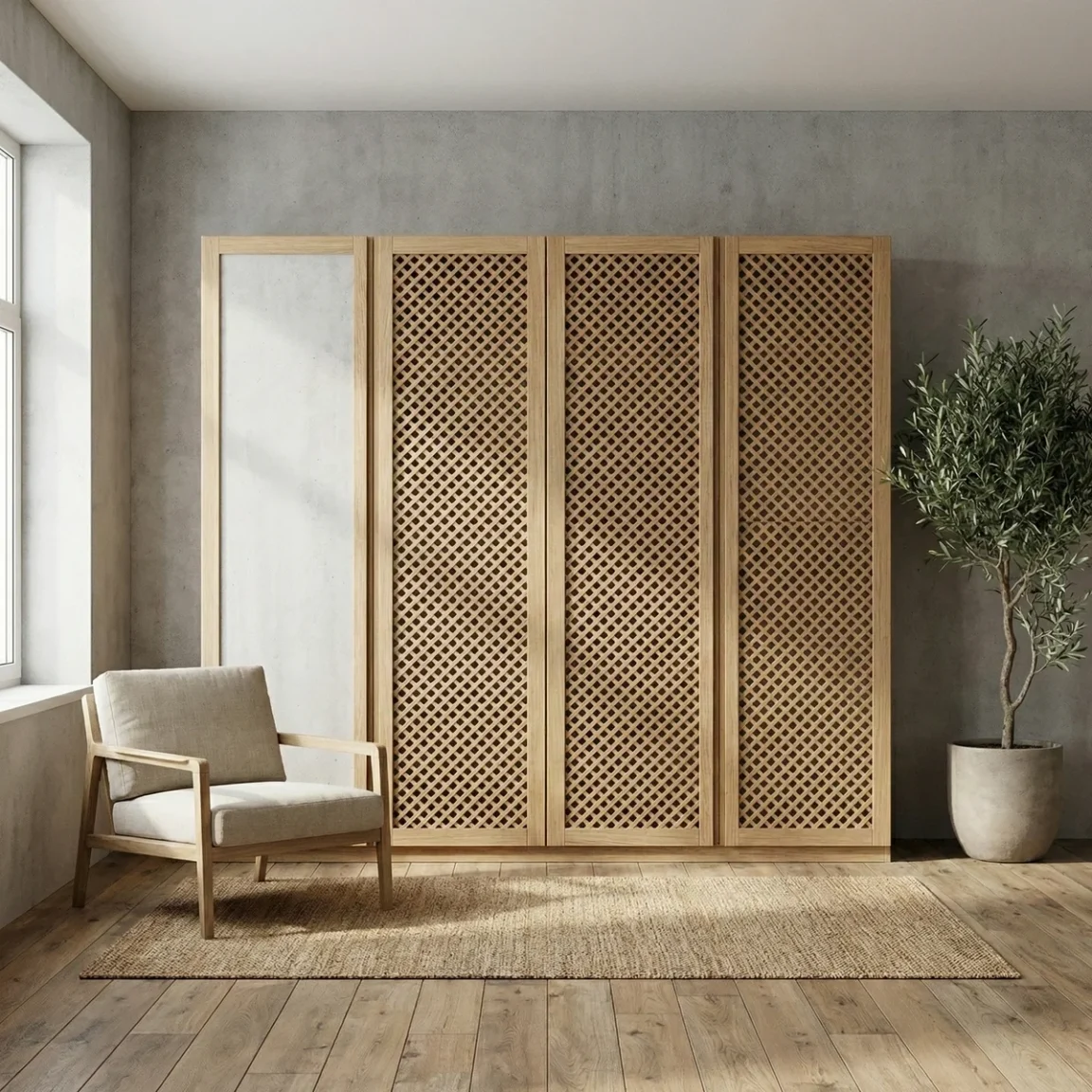
Frame-Type Furniture Fronts
Decorative lattices are a frequent choice for the framed fronts of wardrobes, cabinets, and chests: the material visually lightens cabinet furniture and lets the interior space breathe.
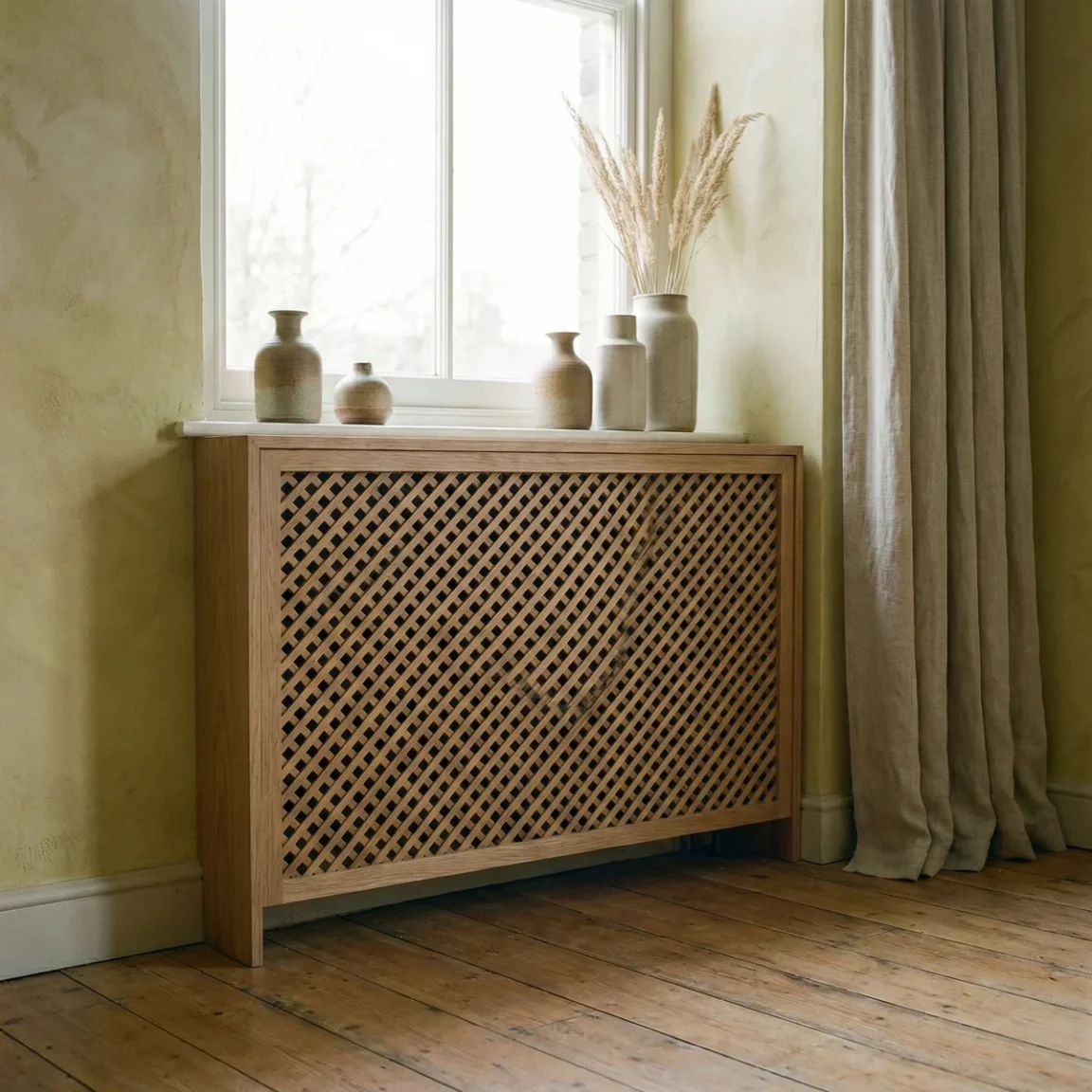
Radiator Screens
Screens made of decorative wooden lattices hide radiators without blocking heat exchange. Natural-wood lattices suit both modern and classic projects.
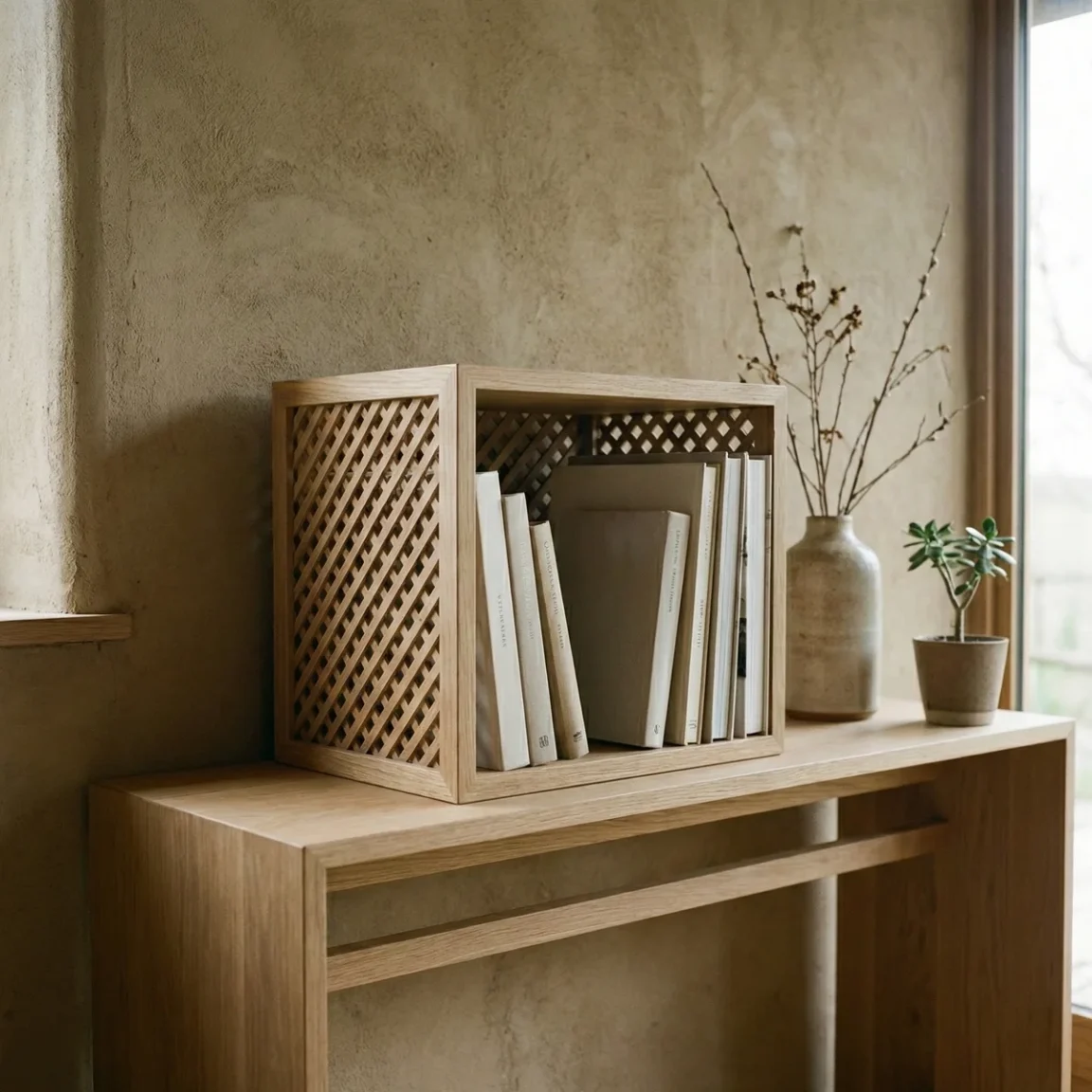
Storage Systems and Organisers
Wooden lattices make functional boxes and organisers that keep contents visible and small things tidy: from stationery and toys to clothes and accessories.
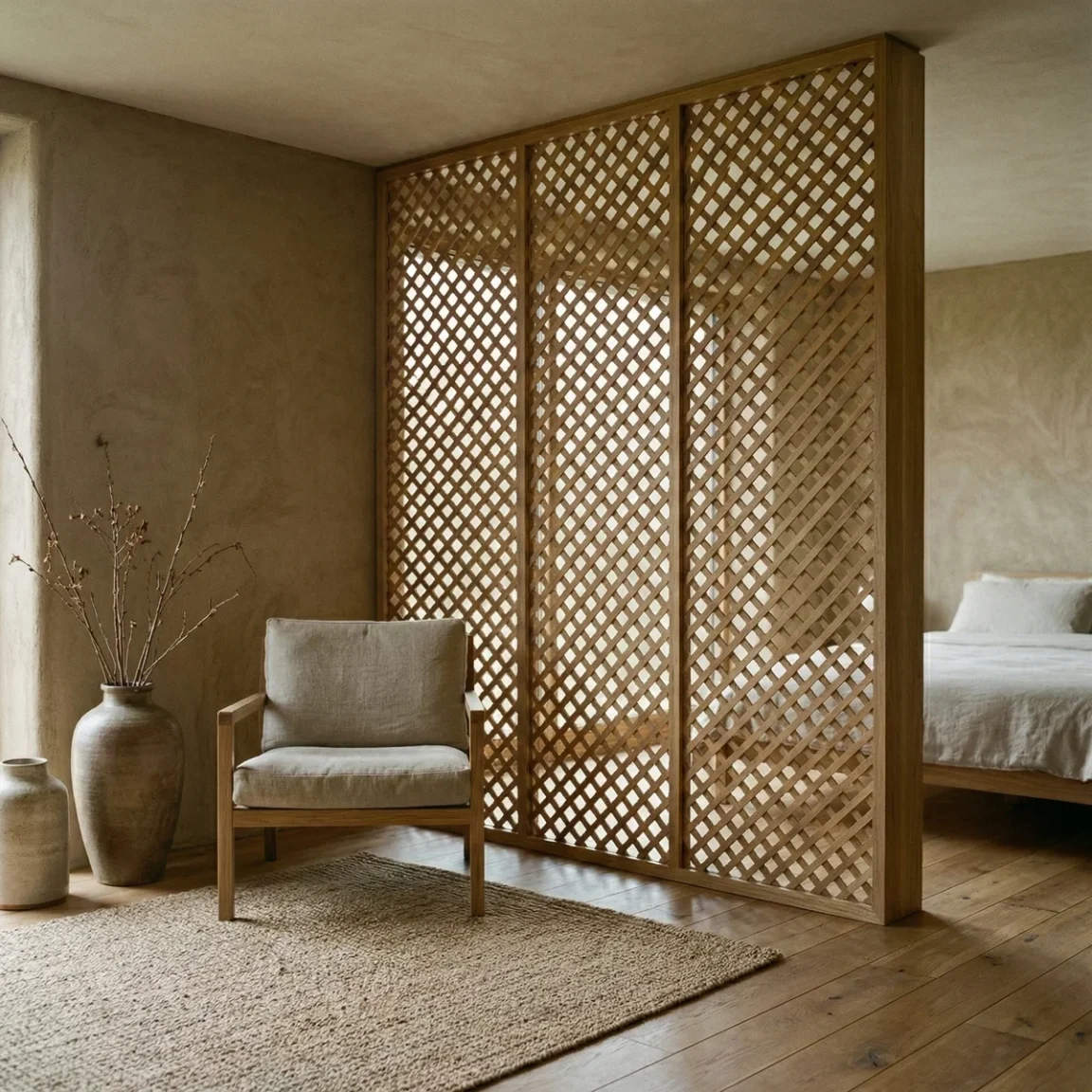
Partitions and Mobile Screens
Wooden lattices are practical space dividers. Easy to install and good-looking, they split a room into functional zones while letting light through — a fit for offices, waiting areas, and studio apartments.
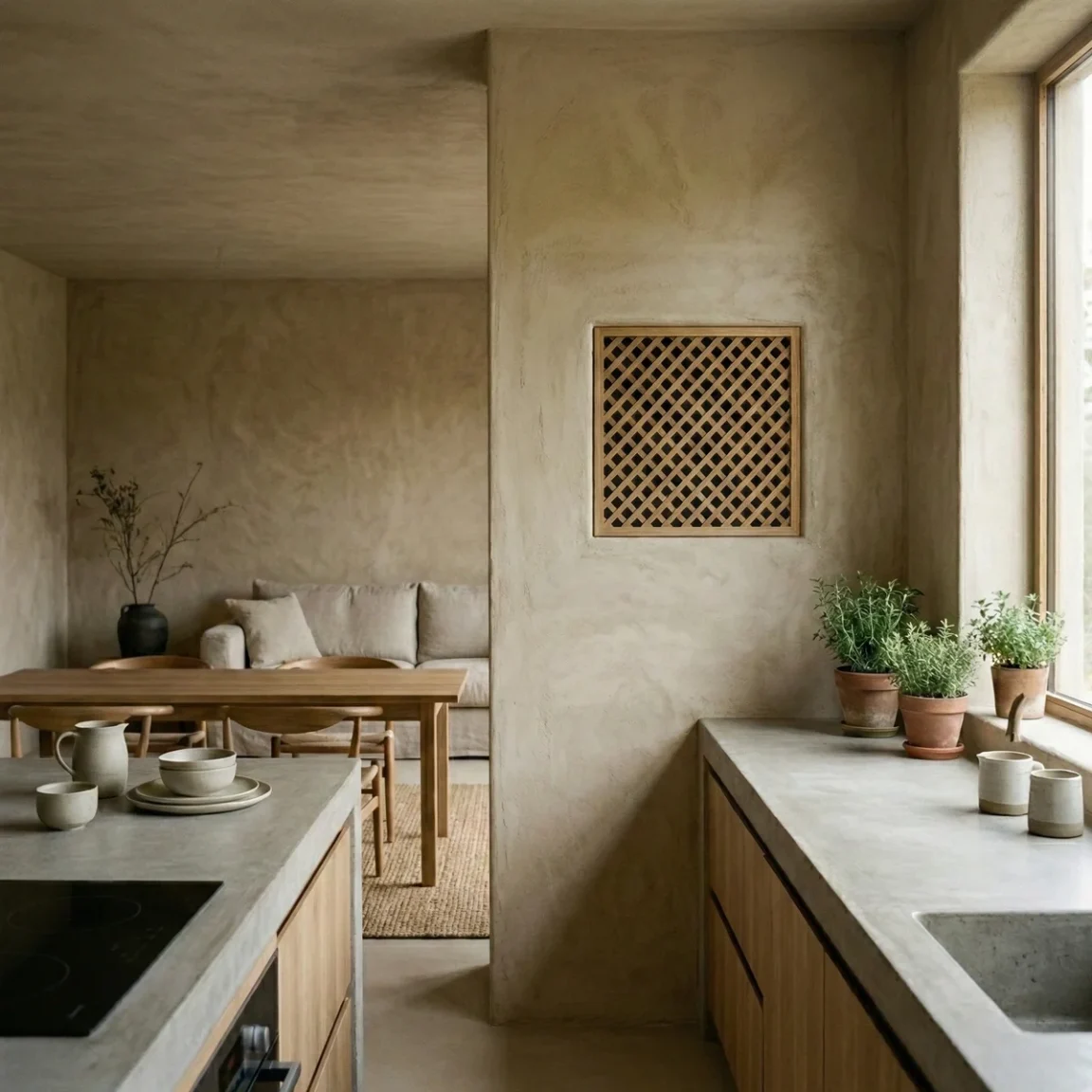
Ventilation Grilles
Wooden lattices are an alternative to standard plastic covers: they mask ventilation openings while providing the necessary air circulation.
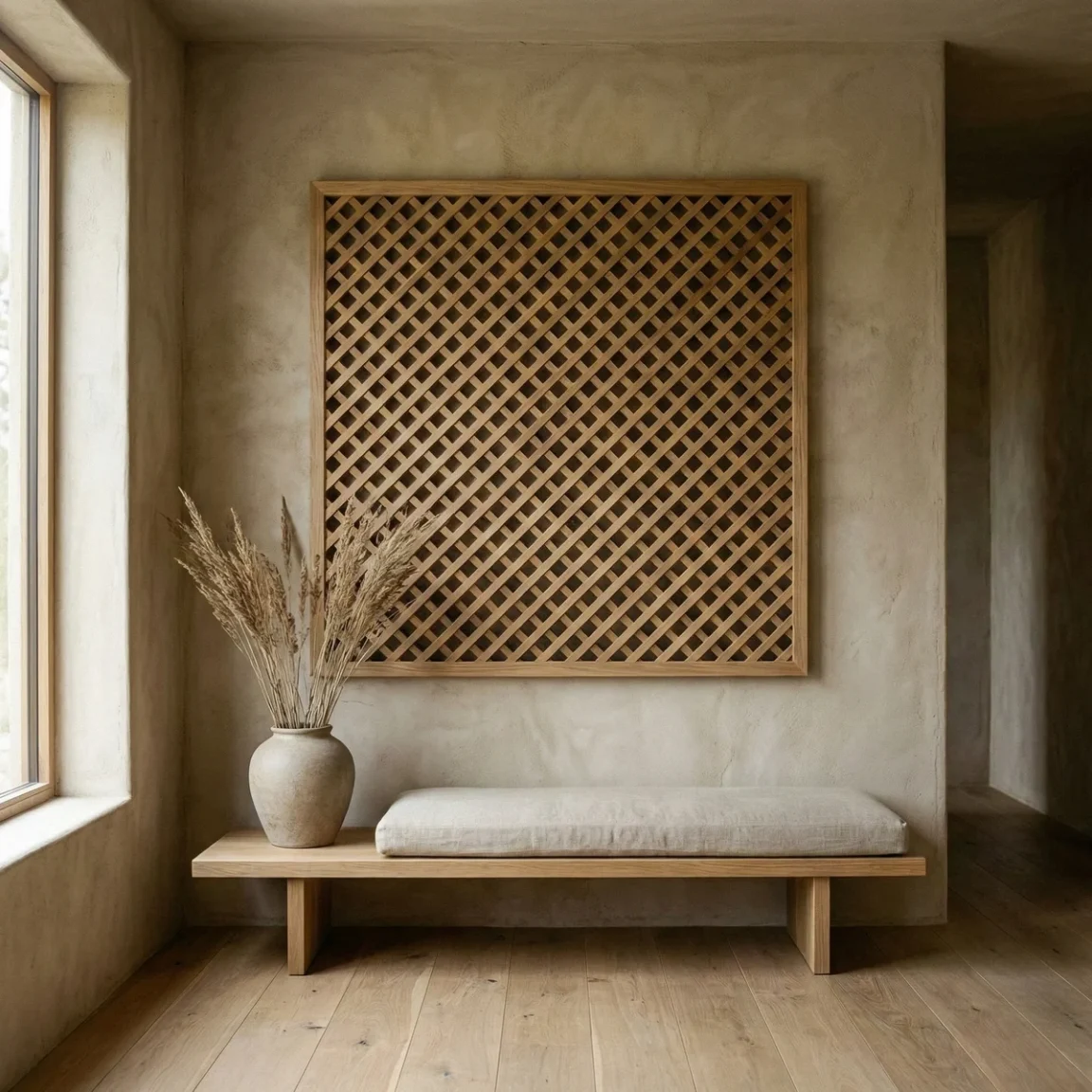
Wall and Ceiling Décor
Lattices in wall and ceiling finishes add rhythm, texture, and visual anchors to an interior.
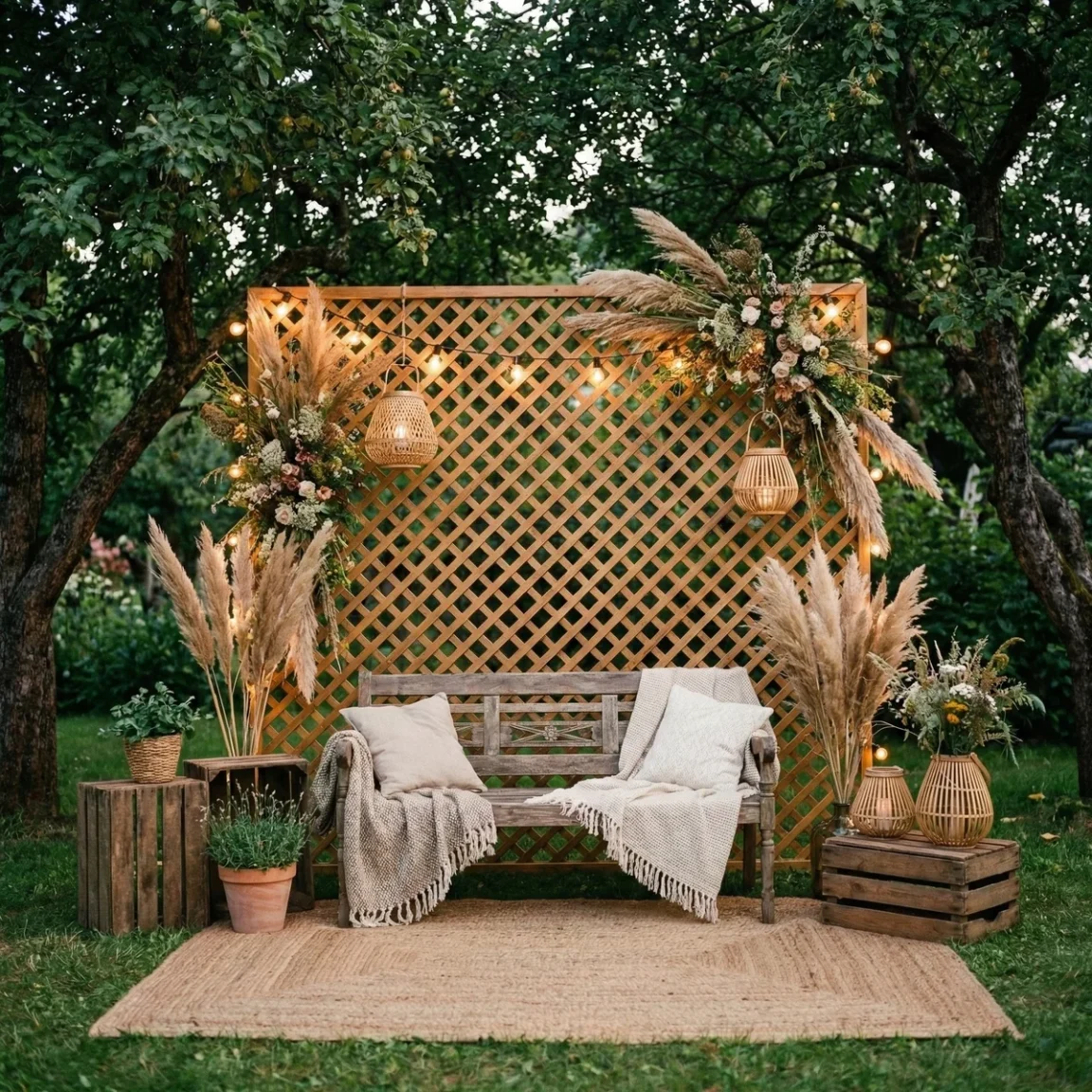
Photo Zones and Installations
The sanded surface takes paint, tint, or lacquer easily, so wooden lattices become a universal base for photo zones and exhibition stands. The cells are handy for mounting lights, garlands, or décor.
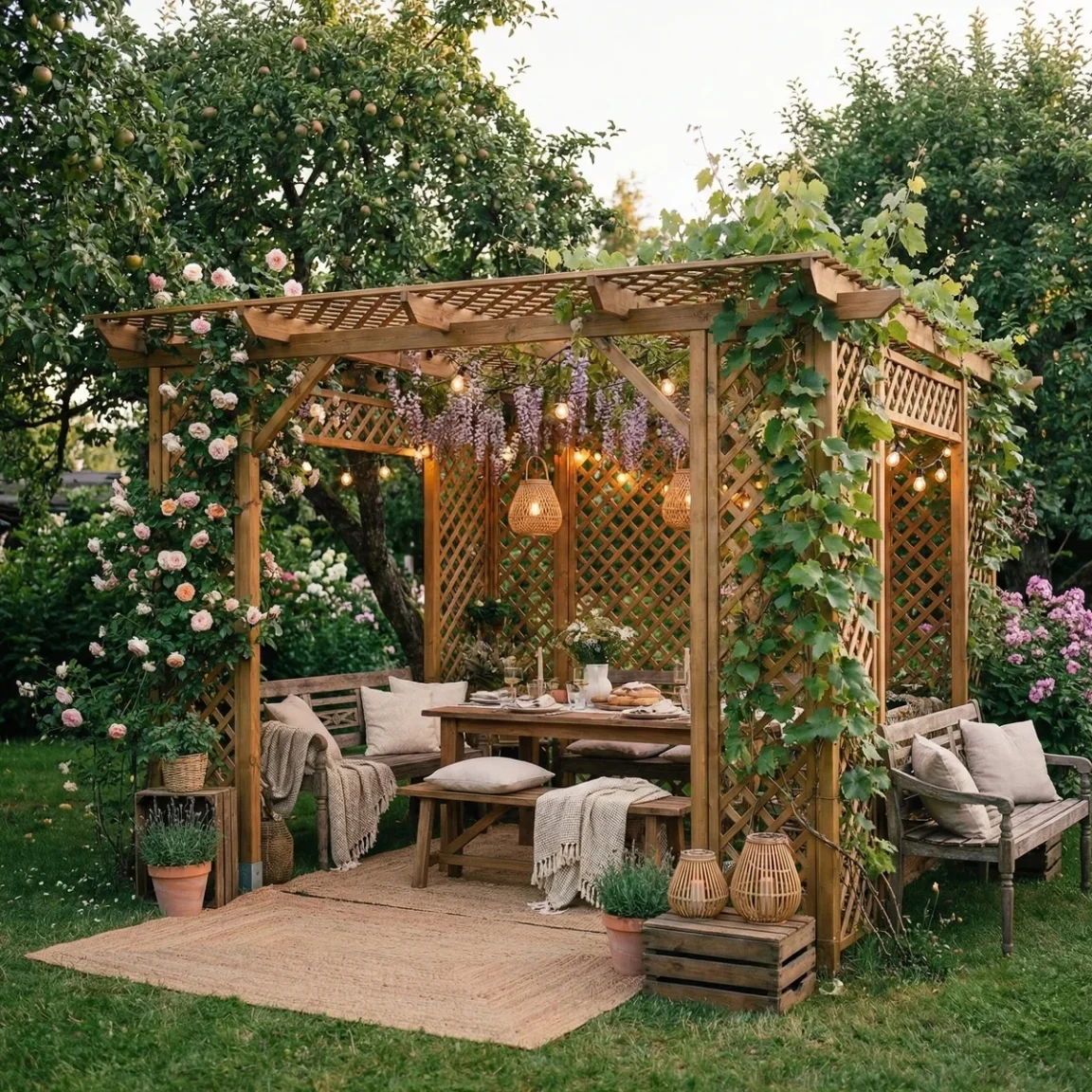
Gazebos and Pergolas
Wooden lattices serve as decorative elements in gazebos and pergolas. Outdoor panels must be coated with protective finishes against moisture, direct sun, and temperature swings.
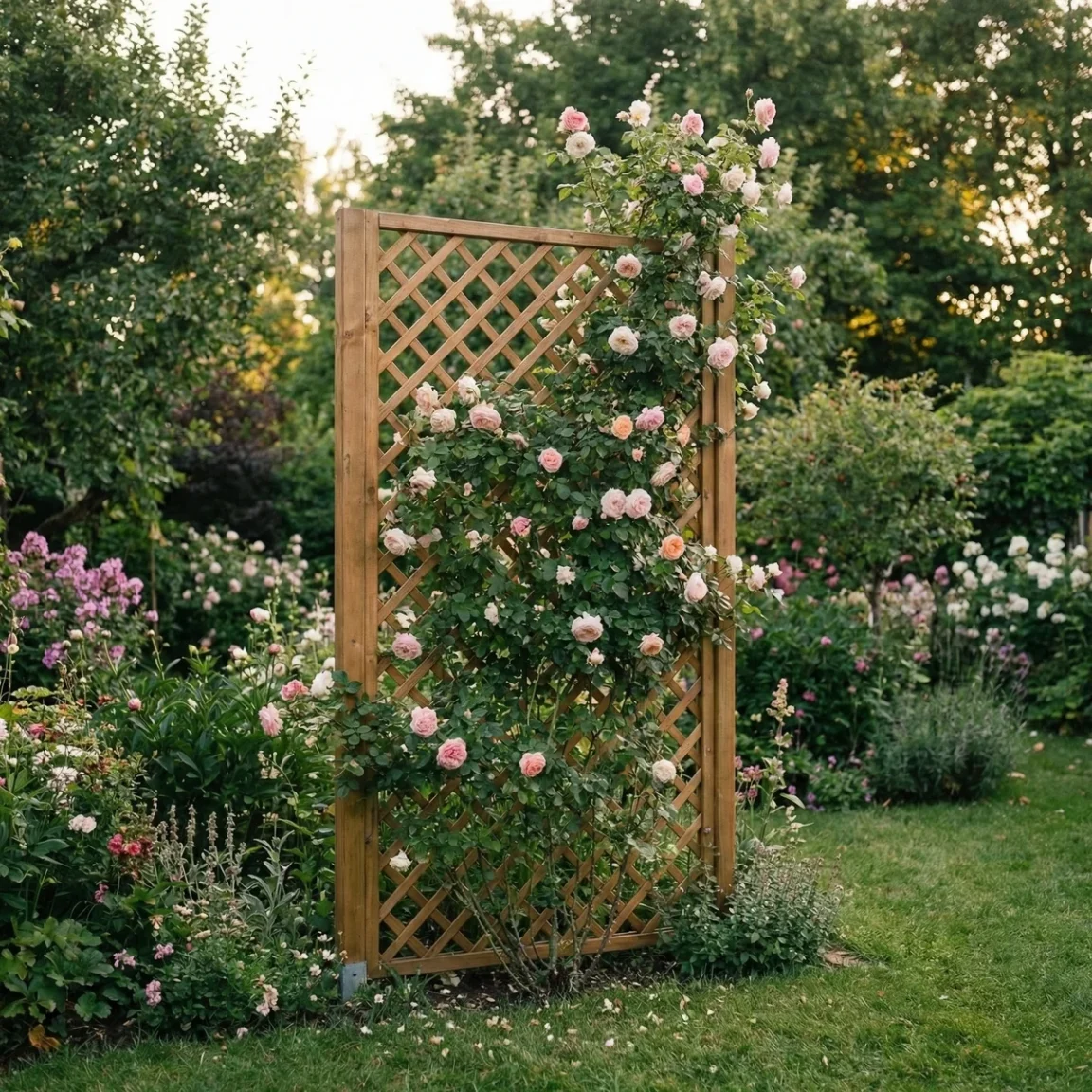
Supports for Climbing Plants
Wooden lattices reliably support grapevines, roses, and other climbers, forming arches, green walls, and living fences. Note that the material needs antiseptic and protective treatment.