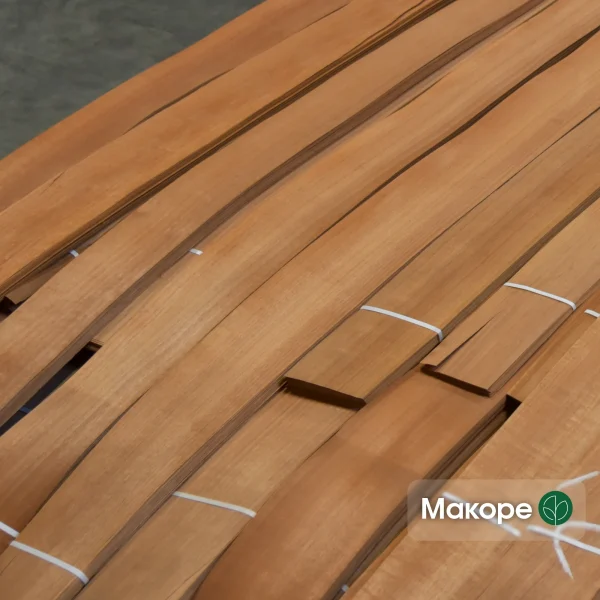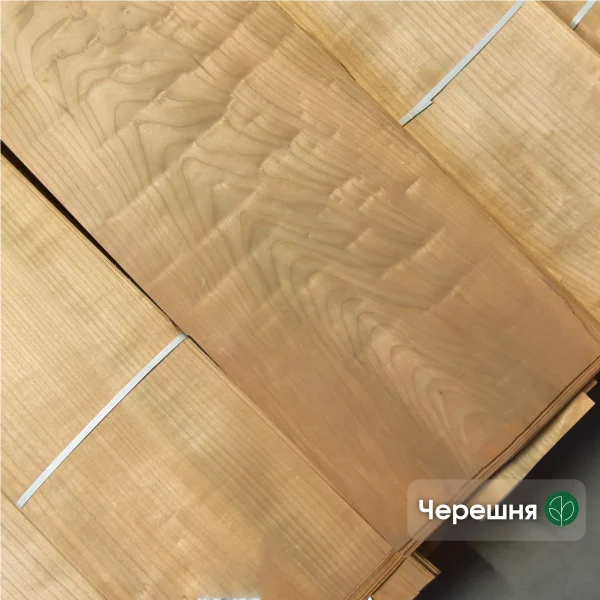
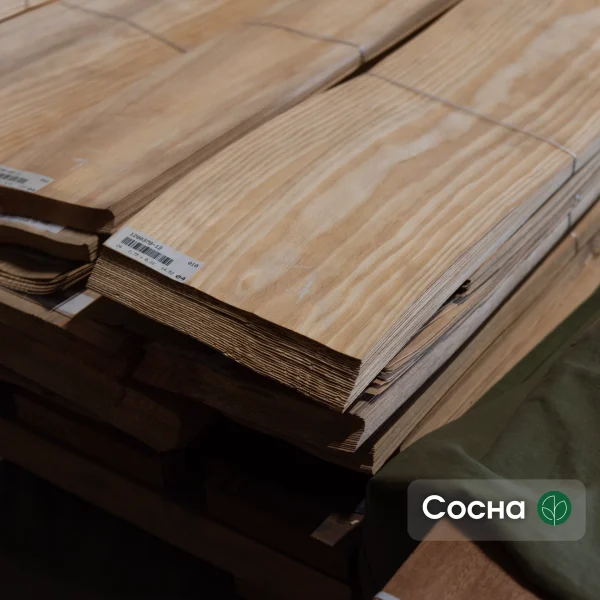


Natural sliced European pine veneer, 0.7 mm, length 2–3.8 m, Grade 1, is a surface material for manufacturing furniture, wall panels, and other interior items. Pine veneer is sold from 1 pack upwards, with wholesale options available. We select materials remotely based on grain, square metres, and colour tone. Collection from our Kyiv warehouse, delivery across Ukraine via freight carriers.
Key Characteristics of Pine Veneer
- Thickness of 0.6 mm. This standard thickness allows for proper gluing to the base. The adhesive does not seep through the timber slice. You can safely sand, tint, and varnish the veneered surface without damaging the face layer.
- Moisture content of 8-10%. This is the optimal moisture level for joinery work. The veneer retains its shape and remains stable during gluing.
- Light color palette. The pale base tone allows for excellent staining and finishing of the veneered surface, ensuring uniform color distribution.
- Pronounced grain contrast. Pine features a very distinct differentiation between earlywood (light) and latewood (dark) growth rings. This creates a striking “zebra” figure that offers high decorative value across large-scale surfaces.
- Cost-effectiveness. Sliced pine veneer facilitates the manufacture of large-scale products (such as architectural wall panels or fitted wardrobes) at a highly competitive price point.
How to Choose Natural Wood Veneer
To ensure the final result meets your expectations, pay attention to three key parameters when selecting your veneer:
- Shade and texture. Choose bundles from the same log to ensure maximum consistency in colour and grain across the entire piece.
- Cut type (pattern). Crown cut (tangential) veneer features a wavy or arched grain. This option is popular for cabinet doors and worktops to highlight the natural beauty of the wood. Quarter cut (radial) sheets display a pattern of straight, longitudinal lines, making them ideal for creating sleek, neutral designs.
- Thickness. A thickness of 0.6 mm is sufficient for standard furniture fronts. If you plan to make a worktop or a surface subject to heavy use and sanding, consider a thicker veneer (1.5 mm to 2.5 mm).
Professional Tip: How Much Veneer to Buy?
The rule of balance. You must veneer both sides of a component (the face and the reverse). This compensatory gluing prevents the base material (MDF or chipboard) from warping. Therefore, you should multiply the component’s surface area by two.
Wastage factor. You must add a 30-40% reserve to your net surface area. This extra material is necessary for pattern matching, edge trimming, and fitting the sheets.
IMPORTANT. The timber used to make the veneer is a natural material. The shade and grain of the veneer sheets will always vary depending on the bundle.
How to Calculate the Price of an Pine Veneer Bundle?
The price of a sliced veneer bundle is calculated using the formula:
Bundle price = price per sq. m × sheet surface area × number of sheets in the bundle.
The sheet surface area is calculated using the standard formula: length × width.
The price per sq. m depends on the wood species, timber grade, sheet dimensions, and bundle volume.
Example. A bundle of Grade A veneer priced at €8 (or $8 / standard currency units) per sq. m. The bundle contains 24 sheets, 2.50 m long and 0.20 m wide.
First, calculate the sheet surface area: 2.50 x 0.20 = 0.50 (sq. m)
Then apply the figures to the first formula: 8 x 0.50 x 24 = 96 (standard currency units)
Applications for Natural Pine Veneer
Sliced veneer is widely used in the manufacturing of interior furnishings. When glued to a stable core, this thin slice of timber gives products the appearance of solid wood while remaining far more affordable. This natural facing material is used to produce items such as:

Cabinet Furniture
Veneered doors and carcasses for cabinets, wardrobes, chests of drawers, dressing tables, and tallboys can maintain their aesthetic appeal for decades with proper care.
Interior Doors
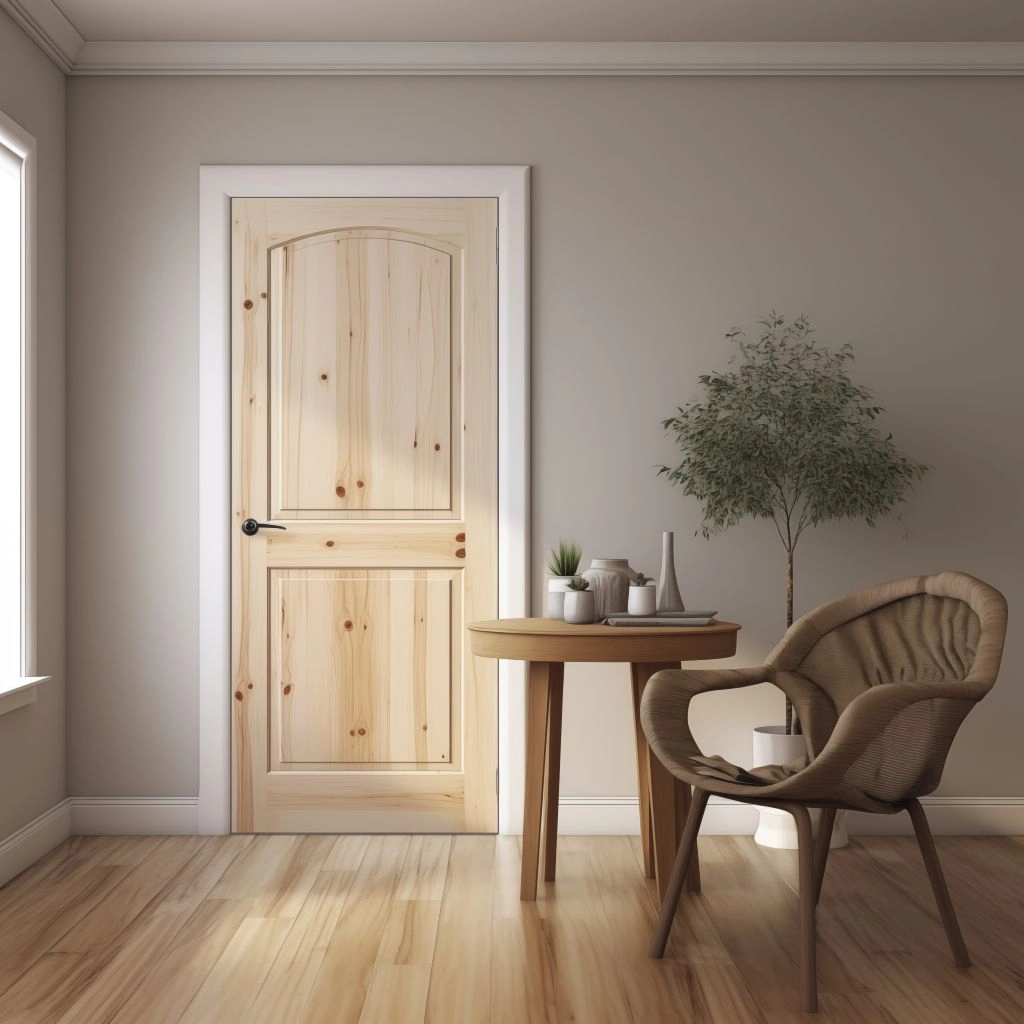
Veneer is commonly used to finish door leaves and architraves. Veneered doors blend seamlessly into various interior styles, from traditional classic to modern minimalism.
Wall Panels
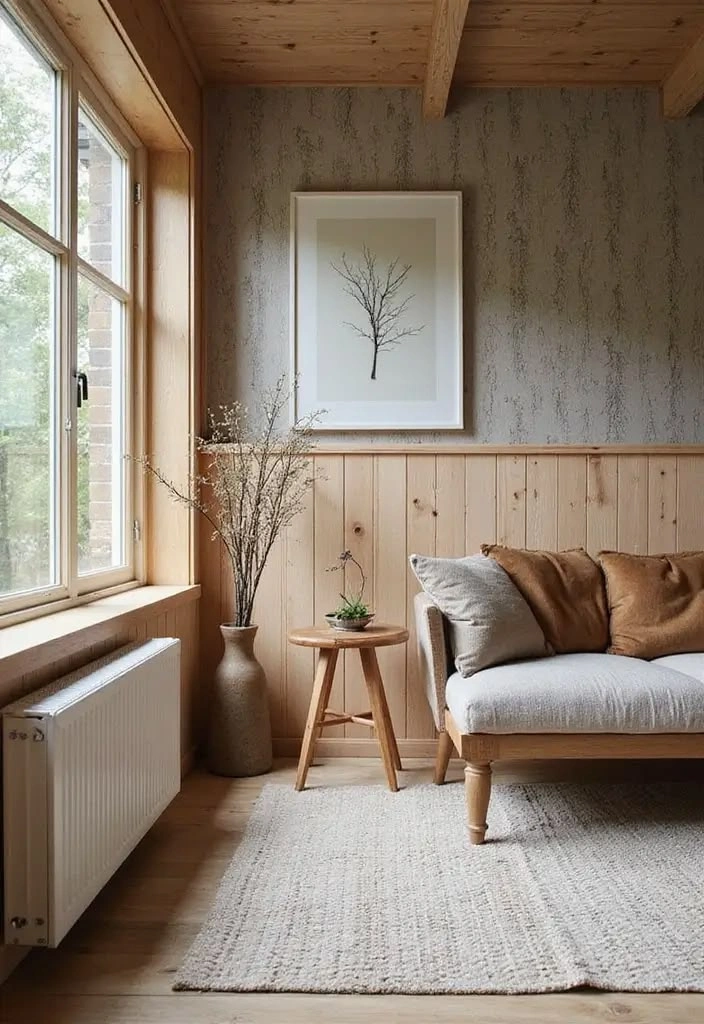
Decorative wooden panels are a traditional design technique for creating feature walls in residential and commercial spaces. A veneered wall panel looks striking in a study, office, boardroom, living room, bedroom, hotel room, or restaurant.
Lighting Fixtures
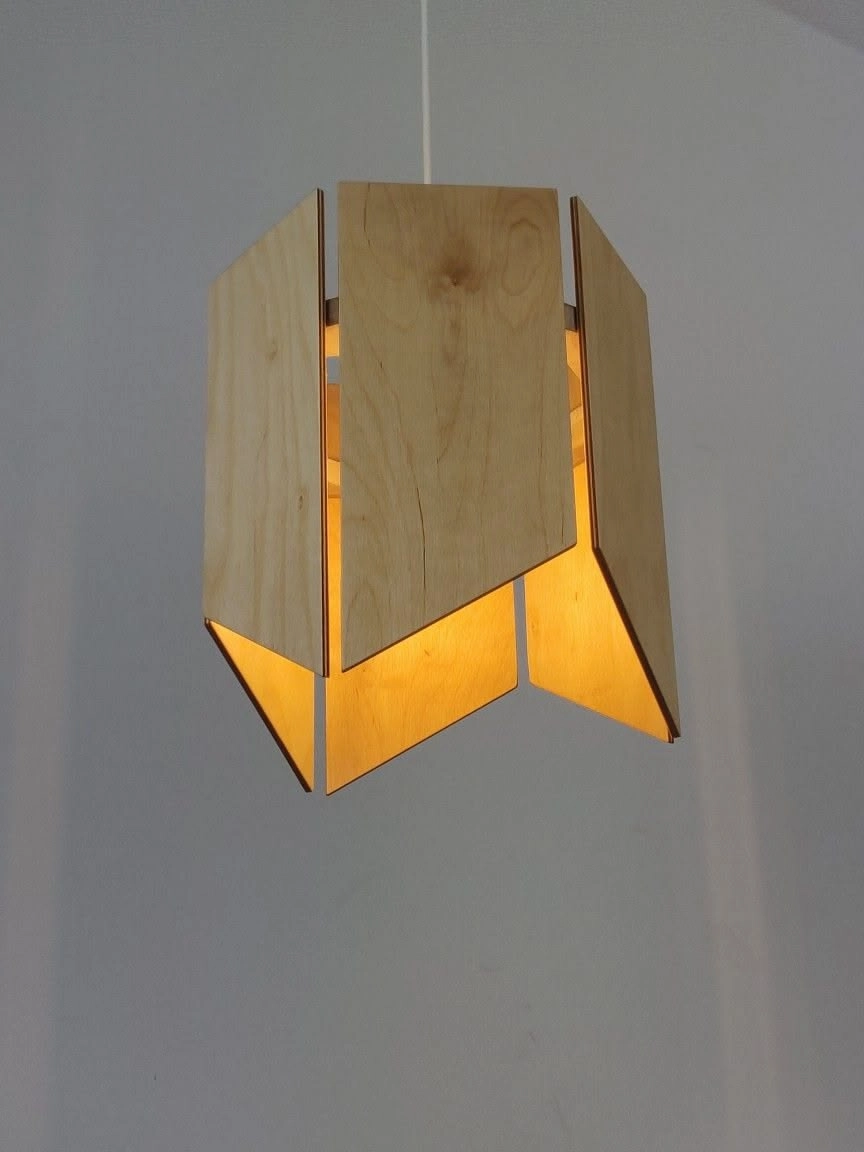
Veneer with a 0.6 mm thickness is an excellent material for crafting lampshades and decorating light fittings. Table lamps, floor lamps, and pendants adorned with timber are exclusive pieces, perfect for eco, neo-classic, country, or retro interiors.
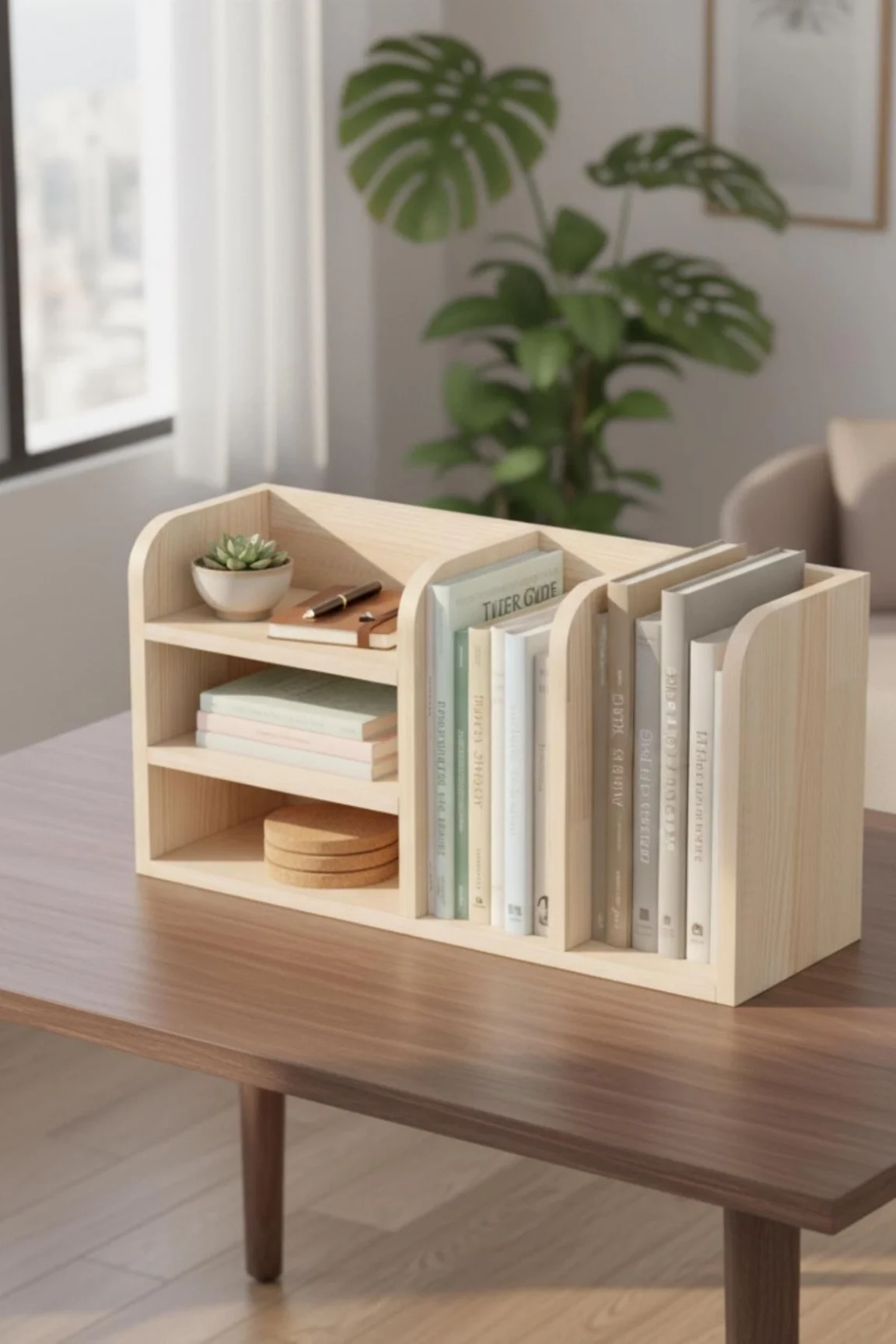
Jewellery Boxes and Interior Decor
Veneer is a highly decorative material that allows you to finish small items beautifully. Timber-clad jewellery boxes, desk organisers, figurines, photo frames, and napkin holders are always in high demand.
Grades of Sliced Pine Veneer
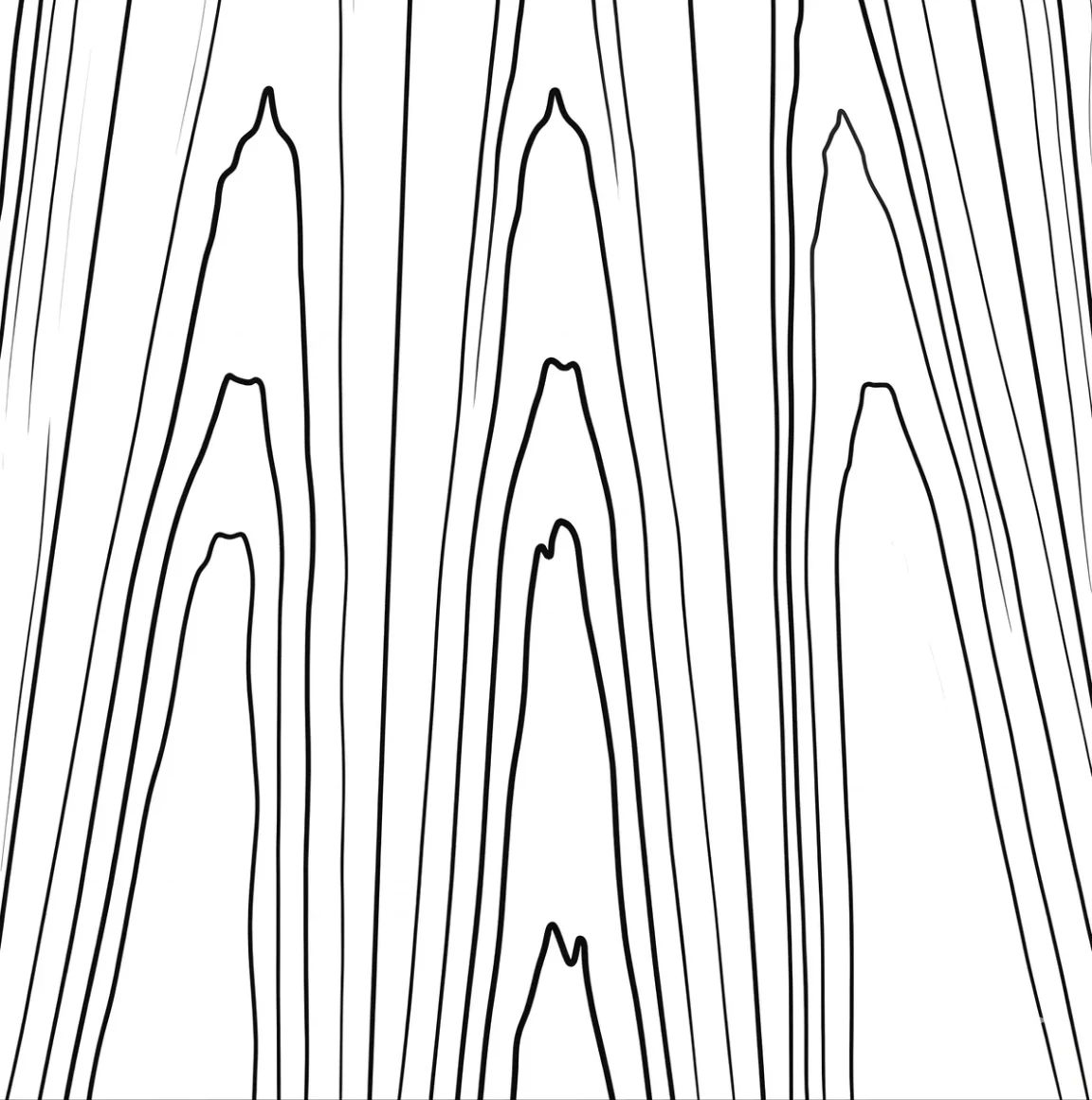
Grade 1
This grade features a uniform texture and consistent colour. The surface is free from visible defects. Minor natural colour variations and subtle texture differences are acceptable. Grade 1 veneer is used when the timber’s grain is the primary aesthetic feature of the piece.
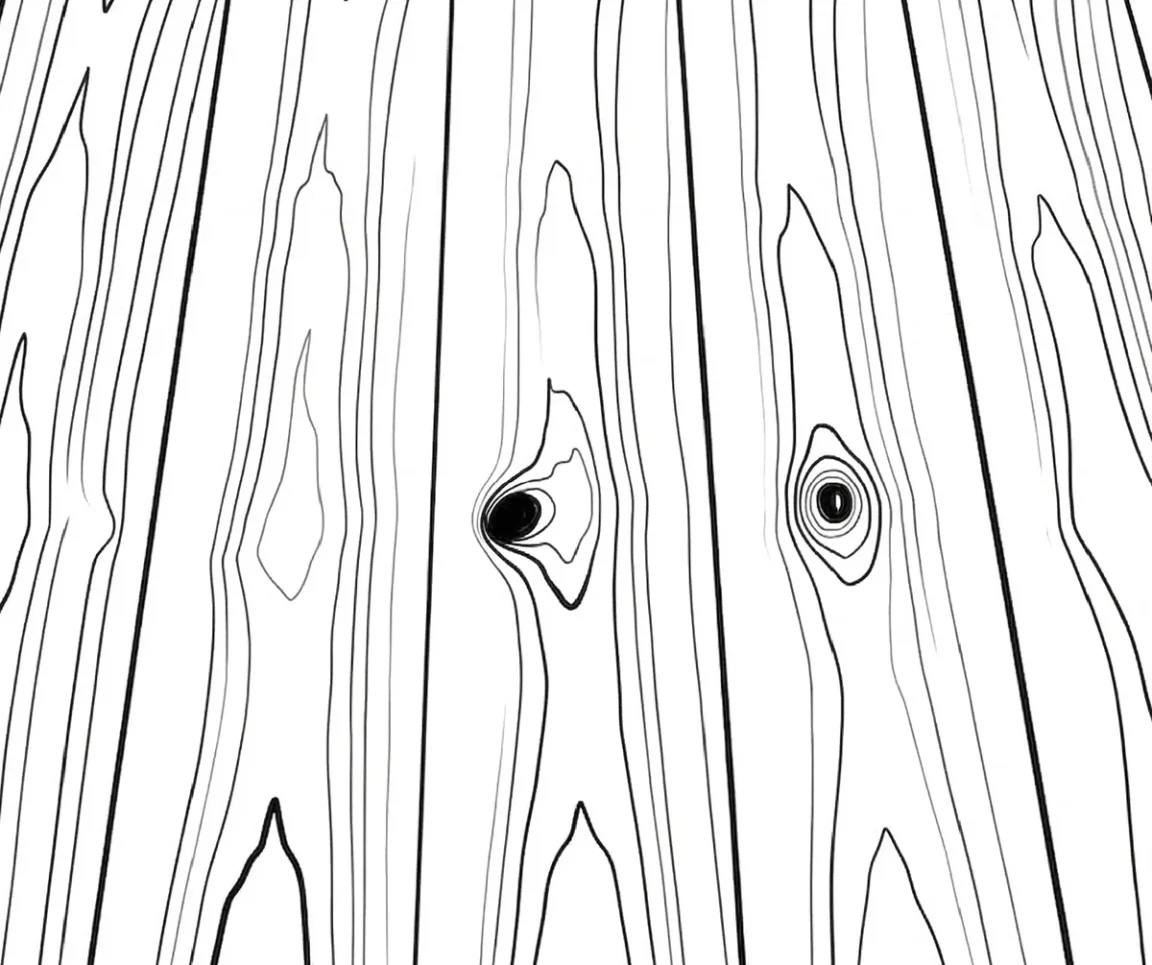
Grade 2
You may find colour variations, inconsistencies in the pattern, and some unevenness in the texture. Knots up to 5 mm in diameter may occur. The overall grain structure might be less uniform than Grade 1, but it remains suitable for decorative finishing. This grade is often used to veneer internal surfaces or projects highlighting the wood’s diverse texture.
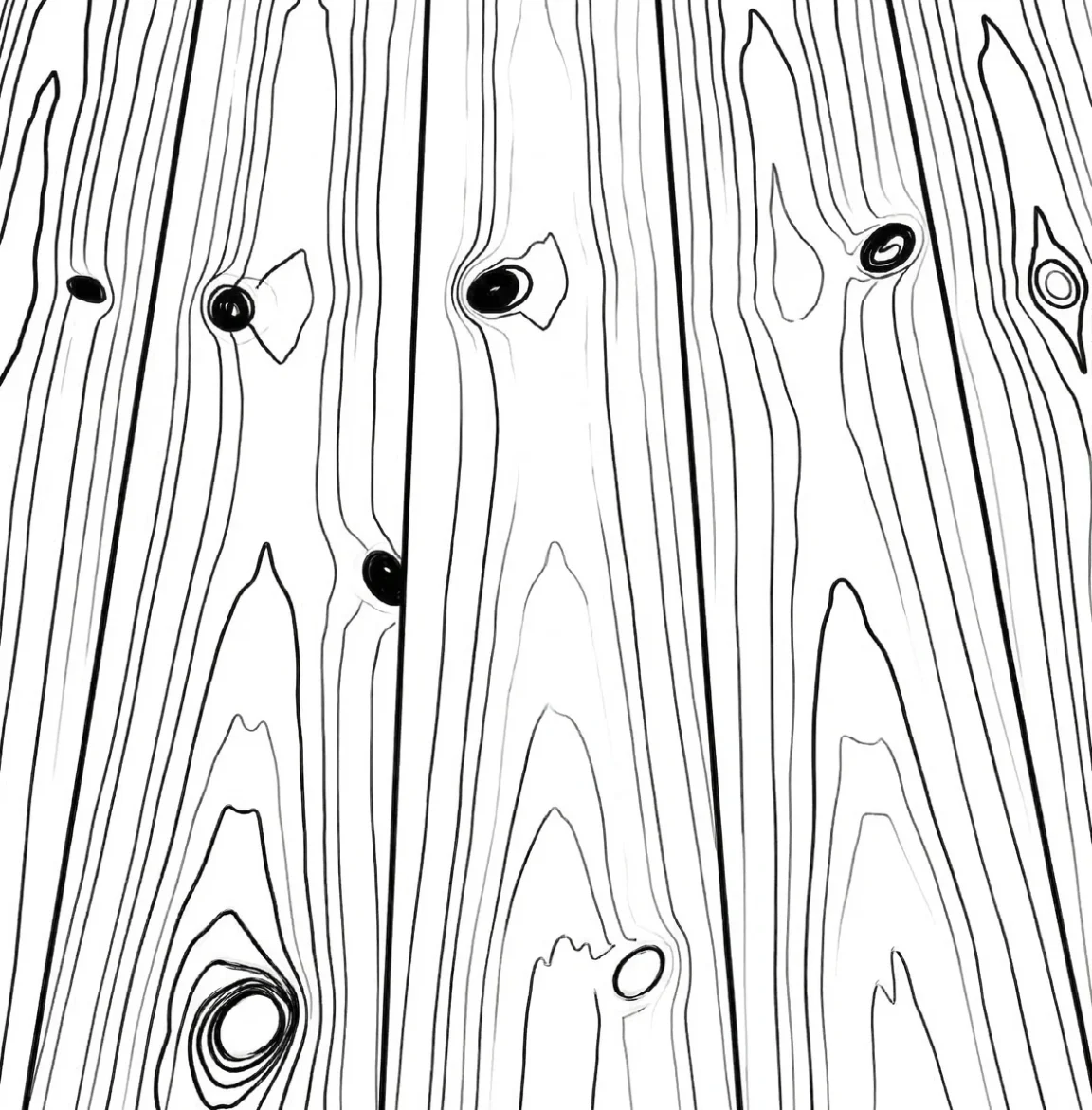
Grade 3
This material possesses several features that are not technically defects but result in a rougher, less uniform appearance. Various knot types (sound or loose), dark streaks, noticeable colour transitions, and uneven textures are permissible. This veneer is ideal for internal surfaces and rustic design projects.
Main Types of Veneer Faces
A veneer face (or veneer layon) is a pre-assembled sheet composed of multiple leaves of natural veneer, jointed edge-to-edge into a single composite layout. The veneer leaves are matched by grain direction, texture, tone, and figure to ensure the veneered surface appears continuous and visually balanced after pressing. Veneer leaves can be arranged in various configurations to create symmetrical, architectural, or decorative patterns. The most common veneer matching types include:
- Mismatch (random match);
- Slip match;
- Plank match (planked / mix match);
- Book match;
- Diamond / reverse diamond match;
- Slip and turn (reverse slip match).
Pine Timber: Technical Specifications
Scots Pine (Pinus sylvestris) is a cornerstone softwood species for the woodworking industry. Due to its widespread availability, excellent machining properties, and unique natural characteristics, pine remains the most sought-after material for manufacturing furniture, window frames, doors, and interior joinery. This softwood has the following technical parameters:
Brinell hardness is approximately 1.6–2.5 HB. This relatively low value indicates that the material is easy to machine but susceptible to mechanical indentations and impacts. Density typically ranges between 450–520 kg/m³ (at 12% moisture content). Straight grain orientation and the presence of resin ducts result in moderate bending strength. Solid timber demonstrates high performance under compression and tension along the grain. Wear resistance is rated as moderate.
Pine is a distinct heartwood species. The sapwood is wide, featuring a light yellow or creamy white colour. The heartwood is pinkish-brown or reddish-brown; over time, exposure to UV light and air makes the colour deeper and more saturated. The texture is high-contrast, with clearly visible annual rings. The grain is predominantly straight. The wood contains numerous resin ducts, which appear as thin dark streaks on cross-sections. The presence of sound, tight knots is a characteristic feature of pine, adding a «rustic» aesthetic to finished products.
Solid pine offers excellent workability; it is easy to cut, plane, and mill. Due to its soft texture, it is essential to use sharp tools to avoid crushing the wood fibres. Before applying topcoats, the surface is often treated with specialised degreasing solutions to remove resin exudation. Proper de-resining ensures that lacquer and varnish apply uniformly.
Solid pine sands easily, though high resin content can quickly clog abrasives. Due to the varying density between earlywood and latewood within the annual rings, pine may exhibit uneven stain absorption (blotching); therefore, the use of wood conditioners or pre-stain sealers is recommended.
To request a quote, please call us or submit an enquiry. We will help you calculate the exact square metreage of veneer required for your project.