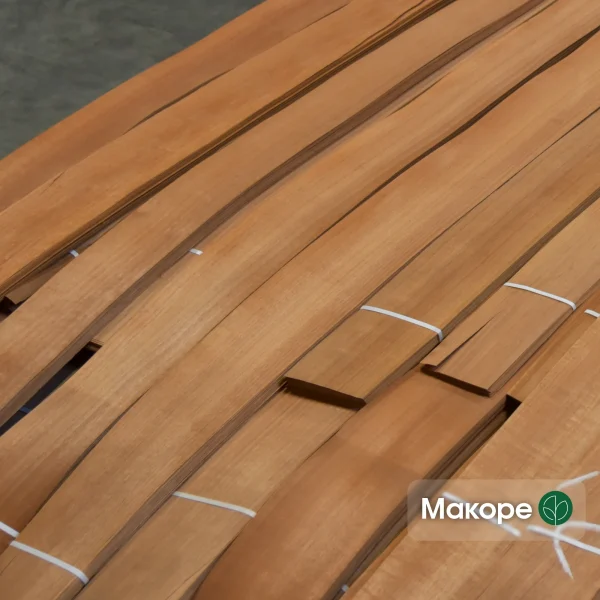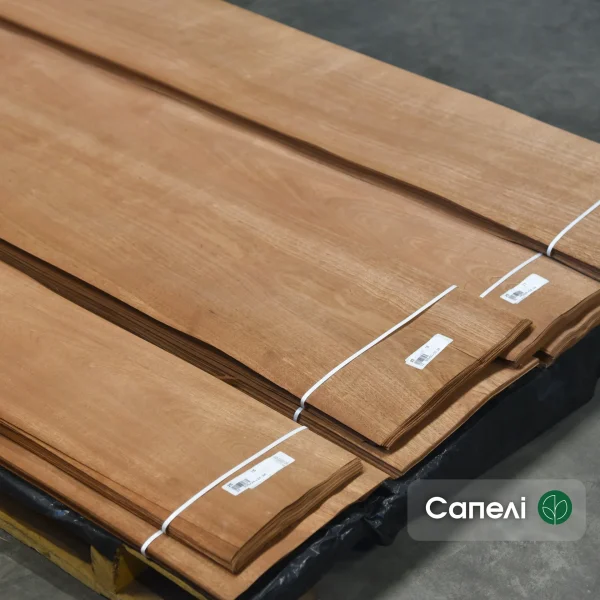
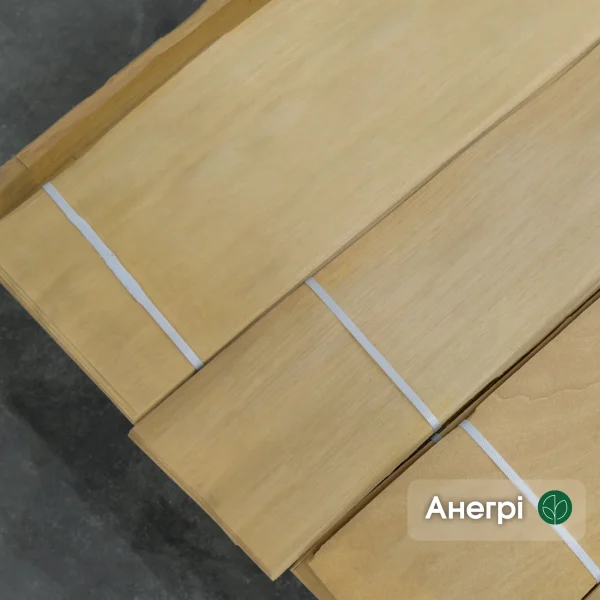


Key Characteristics of Anegre Veneer
- Thickness 0.6 mm. The standard thickness, which allows the sheets to be glued to the substrate correctly (the adhesive does not bleed through the cut of the wood), sanded without the risk of damaging the face layer, and the veneered surface to be toned and varnished.
- Moisture content 8-10%. The optimal moisture level for joinery work. The veneer holds its shape and stays stable during gluing.
- Satin effect after finishing. Anegre wood has a natural lustre. After sanding and varnishing the surface of the piece has a silky sheen.
- Versatile colour. The natural palette consists of light shades: from cream to pinkish brown. This African wood absorbs pigments well. The material can be toned to imitate practically any species.
- No pronounced figure. The even, calm texture allows anegre veneer to be used over large areas without fear that the pattern will become visually busy. It is the optimal choice for wall panels or wardrobe fronts.
How to Choose Natural Veneer Correctly?
For the result to live up to expectations, pay attention to three key parameters when choosing veneer:
- Shade and texture. Choose bundles from a single log to ensure maximum uniformity of colour and pattern across the whole piece.
- Type of cut (figure). Crown-cut (tangential) veneer has a wavy, arched pattern. This option is chosen for fronts and tabletops where the natural beauty of the wood should be emphasised. Quarter-cut (radial) sheets have a pattern of straight longitudinal lines, suited to creating restrained, neutral pieces.
- Thickness. For standard furniture fronts 0.6 mm is sufficient. If you plan to make a worktop or a surface that will be subject to intensive wear and sanding, consider thicker veneer (1.5 mm – 2.5 mm).
Professional Advice: How Much Veneer to Buy?
The rule of balance. Both sides of a part are veneered (face and back). Counter-veneering prevents the substrate (MDF/particle board) from warping. So the area of the part is multiplied by 2.
Cutting allowance. Always add a 30-40% margin to the net area. It is needed for pattern matching, edge trimming and fitting the sheets.
IMPORTANT. The wood the veneer is sliced from is a natural material. The shade and texture of veneer sheets vary from bundle to bundle.
How to Work Out the Price of a Bundle of Anegre Veneer?
The price of a bundle of sliced veneer is calculated with the formula:
Bundle price = price per sq. m. x sheet area x number of sheets in the bundle.
The sheet area is worked out with the standard formula: length x width.
The price per m² depends on the wood species, grade, sizes and sheet count.
Example. A bundle of grade A veneer, priced at 8 c.u. per sq. m. The bundle holds 24 sheets 2.5 m long and 0.2 m wide.
First we find the sheet area: 2.5 x 0.2 = 0.5 (sq. m.)
Then we put the figures into the first formula: 8 x 0.5 x 24 = 96 c.u.
Where Is Natural Anegre Veneer Used?
Sliced veneer is used in the manufacture of interior pieces. Glued to a stable substrate, the thin slice of wood gives products the look of solid timber while keeping them more affordable. This natural facing material is used in the production of items such as:
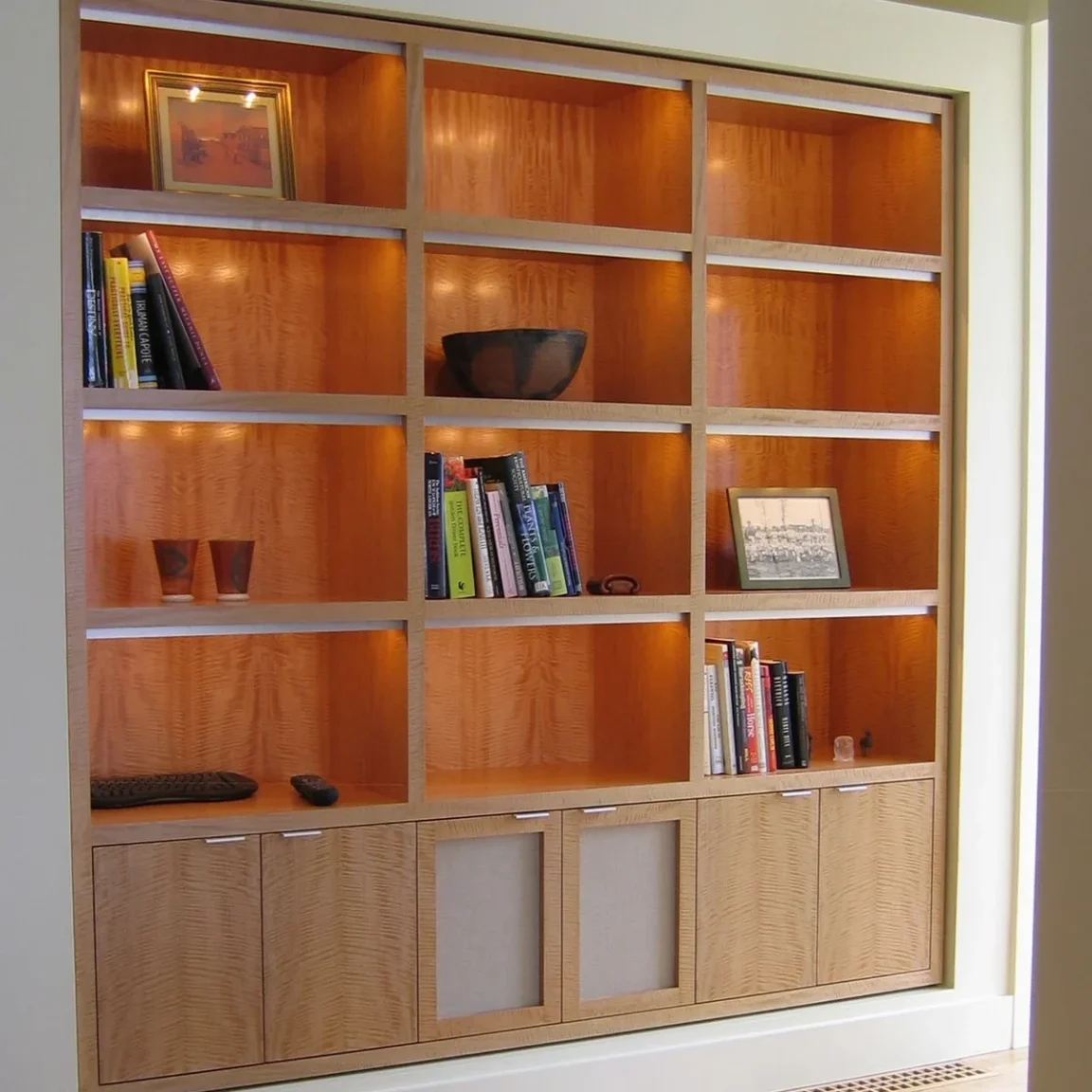
Cabinet Furniture
Veneered fronts and carcasses of cabinets, wardrobes, chests of drawers, dressing tables and tall units keep their good looks for decades with proper care.
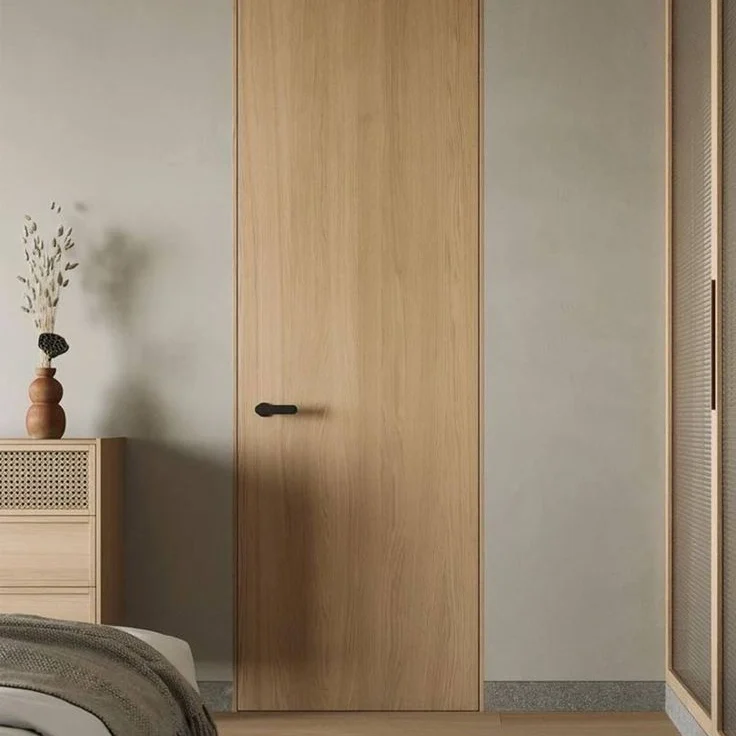
Interior Doors
Veneer is used to face door leaves and architraves. Veneered doors fit harmoniously into interiors of different styles: from traditional classics to modern minimalism.
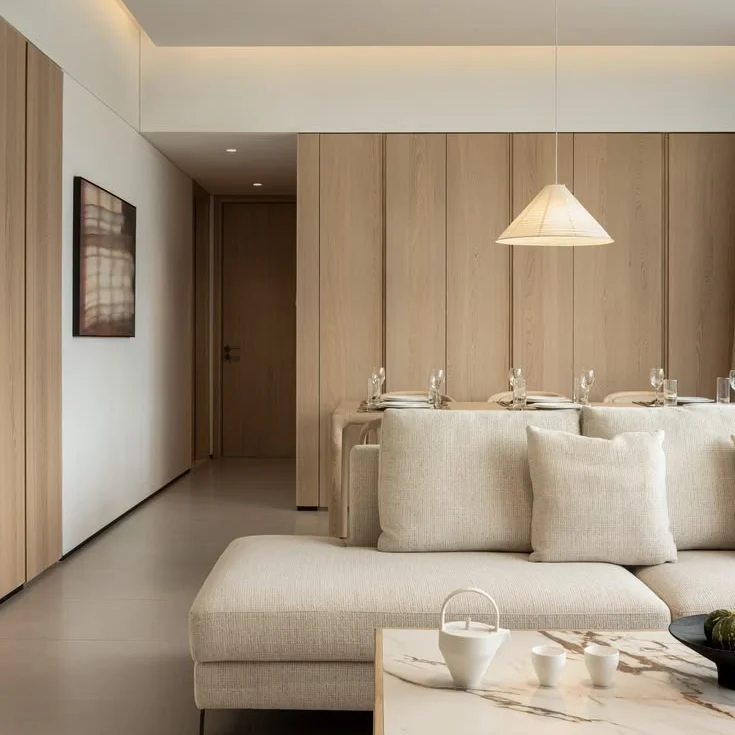
Wall Panels
Decorative wooden panels are a classic design device for accenting walls in residential and commercial spaces. A veneered wall panel is at home in a study, office, conference room, living room, bedroom, hotel room, or the hall of a cafe, restaurant or spa.
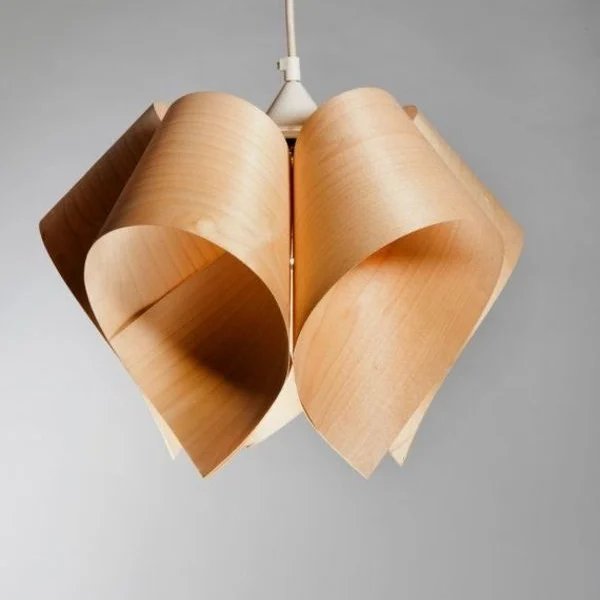
Light Fixtures
Veneer 0.6 mm thick is the optimal material for making lampshades and for the decorative trim of lighting fixtures. Table lamps, floor lamps and pendant lights decorated with wood are exclusive pieces chosen for interiors in eco, neoclassical, country, classicist, retro and similar styles.
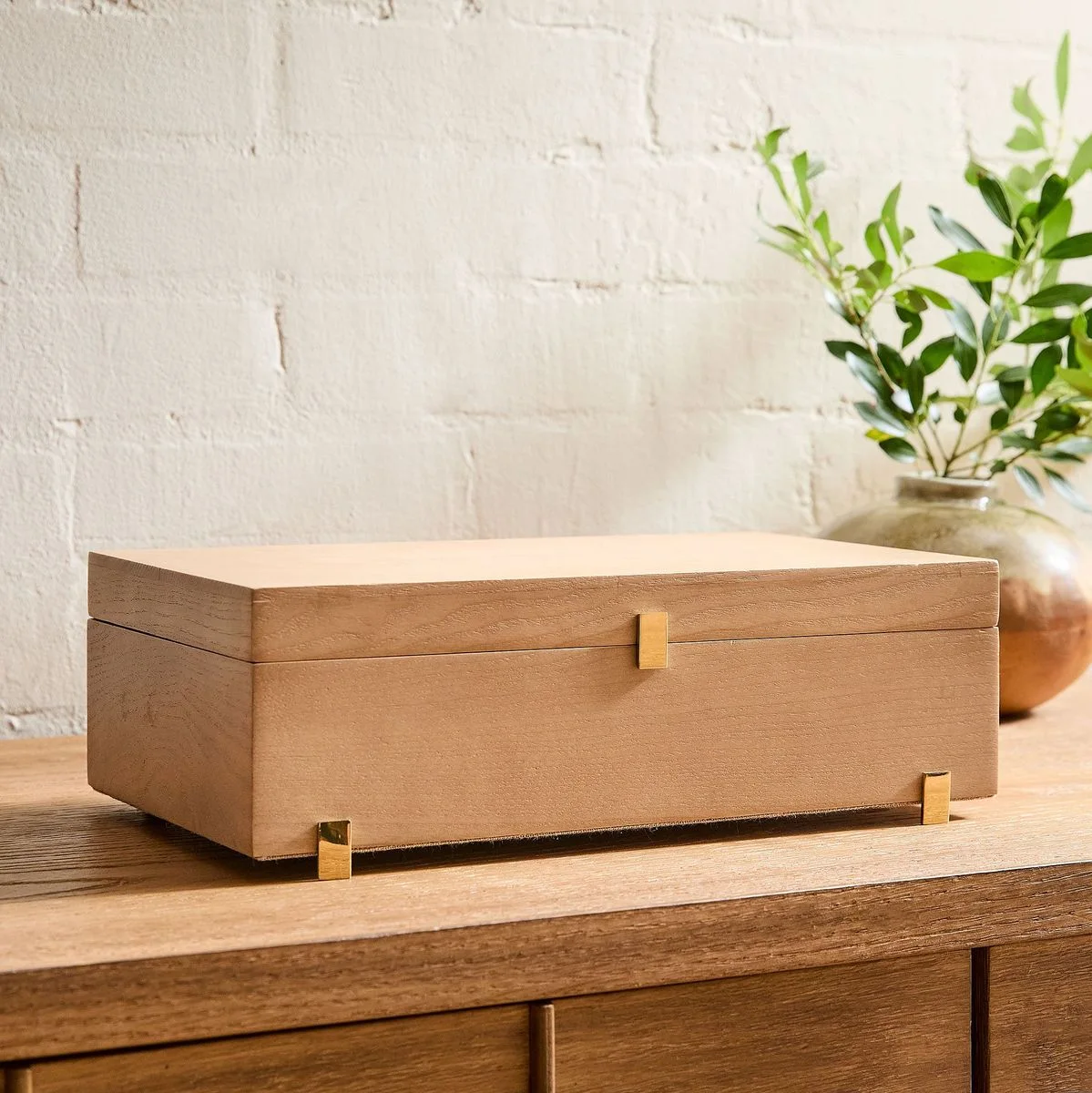
Boxes, Organisers, Interior Decor
Veneer is a decorative material that makes it possible to face the surfaces of small items. Wood-trimmed jewellery boxes, organisers, figurines, photo frames and napkin holders are in considerable demand.
Grades of Sliced Anegre Veneer
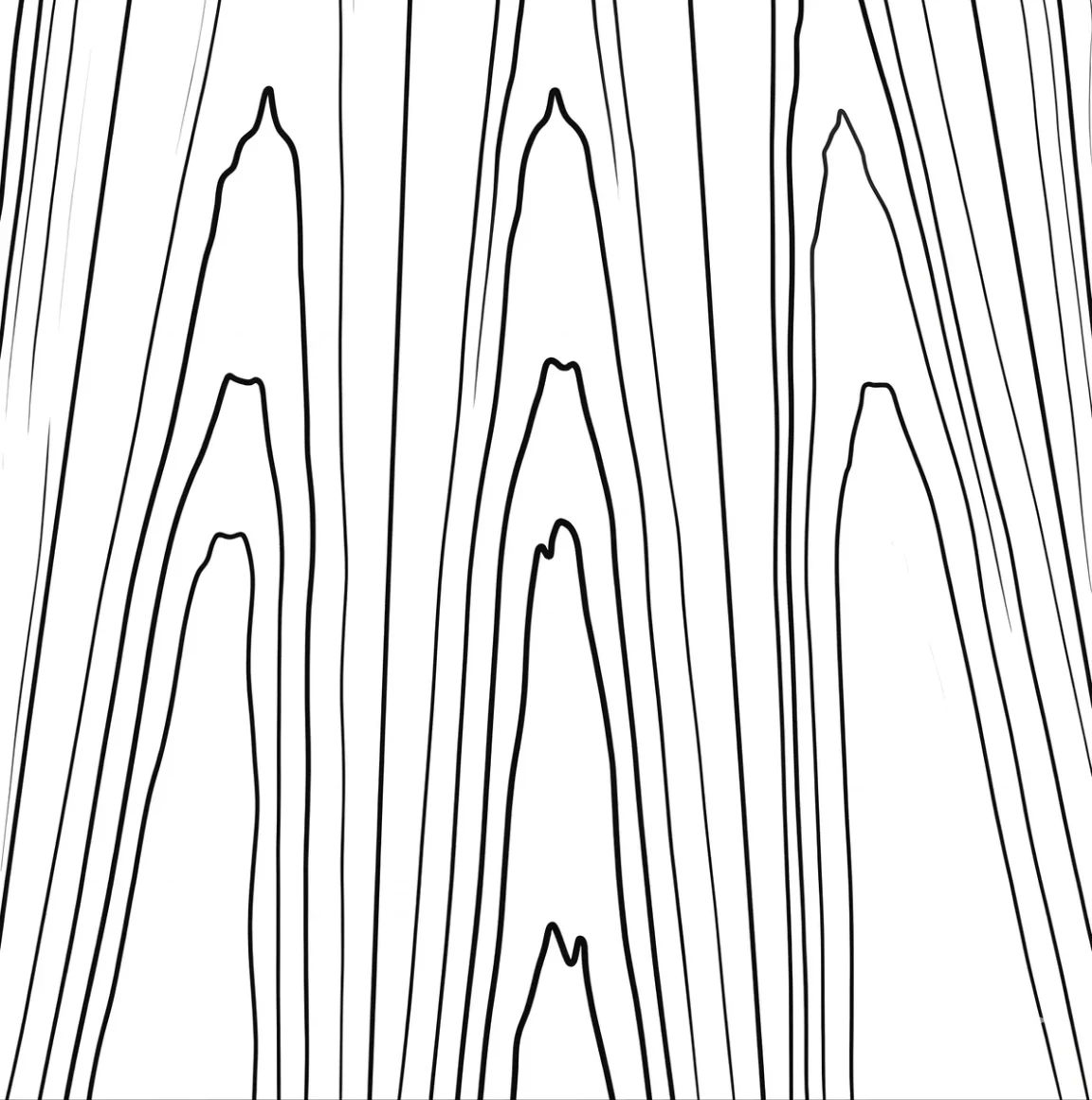
Grade 1
Even texture, uniform colour. A surface free of visible defects. Slight natural colour transitions and barely noticeable variations in texture are permitted. Grade 1 veneer is used when the wood figure is to be the main aesthetic feature of the piece.
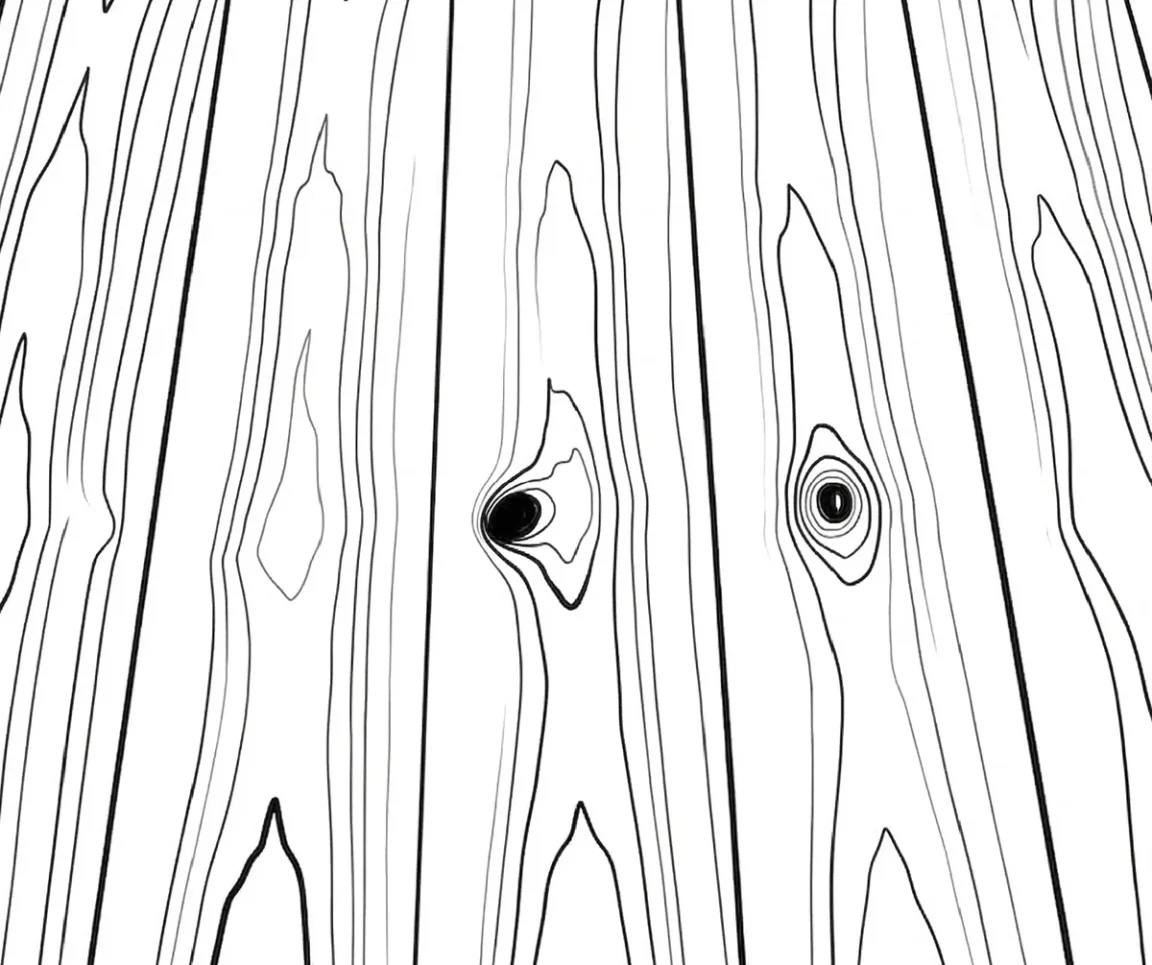
Grade 2
There are colour variations, inconsistencies in the pattern and some unevenness in the texture. Knots up to 5 mm in diameter occur. The overall grain structure may be less uniform than in Grade 1, but is suitable for decorative facing. This veneer is used to face internal surfaces or pieces where showing the variety of the wood’s texture matters.
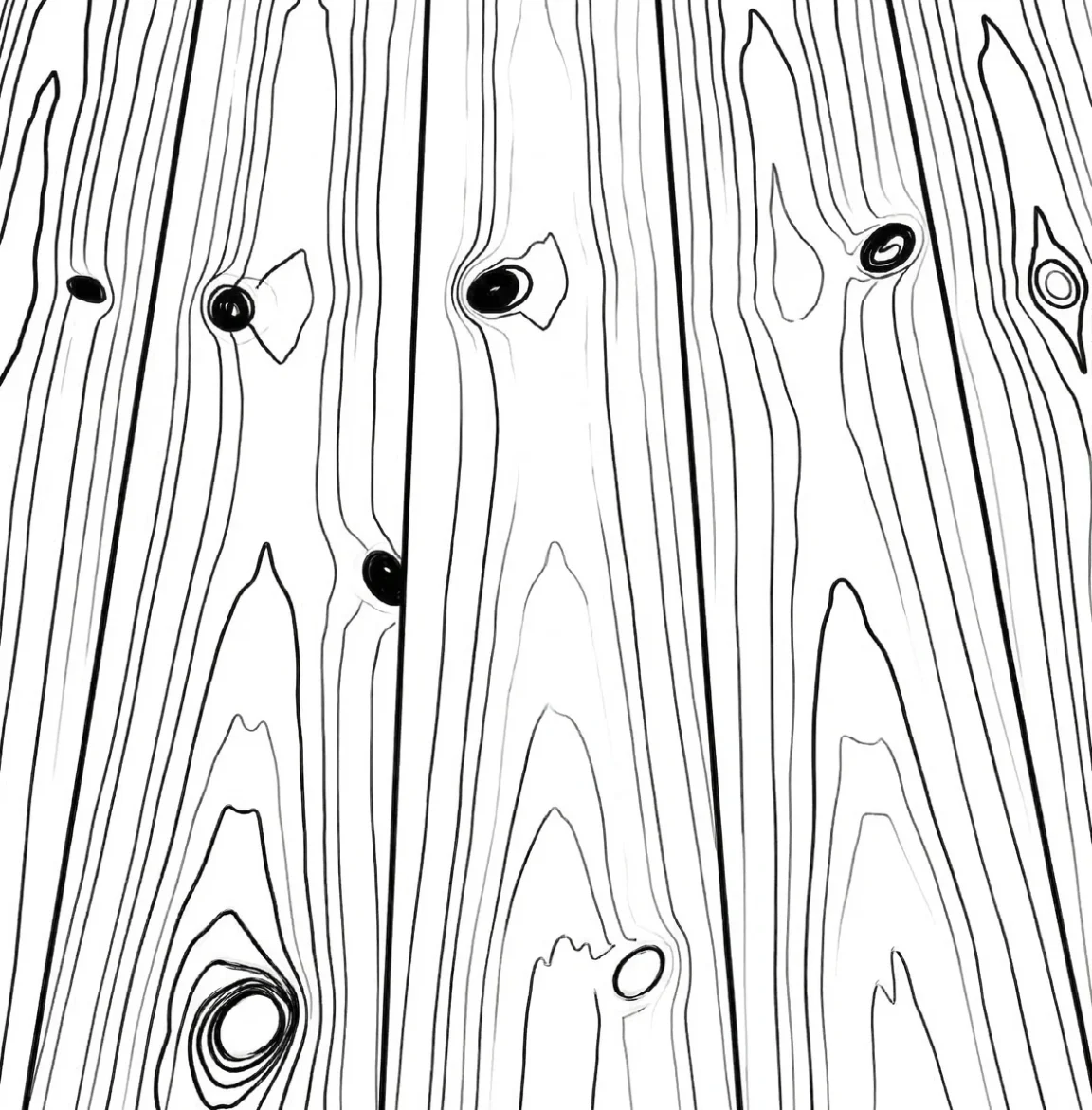
Grade 3
The material has a number of features which are not technically defects, but give the surface a rougher and less uniform look compared with Grades 1 and 2. Various types of knots (sound, loose), dark streaks, noticeable colour transitions and uneven texture are permitted. This veneer is used for facing internal surfaces and for projects with a rustic aesthetic.
The Main Types of Veneer Layons
A veneer layon (face) is a pre-assembled sheet made up of several leaves of natural veneer, gathered into a single composition and joined together. The veneer is matched by fibre direction, texture, shade and figure so that after facing, the veneered surface looks like one continuous sheet. Symmetrical or designer patterns are created from the veneer leaves.
Craftsmen most often turn to these types of matching:
- random (mismatched);
- slip match;
- mixed;
- book (mirror) match;
- reverse;
- slip match with flip.
Anegre Wood: Key Characteristics
Anegre (Anegeria) is a tropical species. The tree reaches about 30 metres in height, and the trunk diameter can be as much as 2.5 m. Its main growing regions are West and East Africa. In its characteristics and fibre structure this wood is often compared to maple, and visually to birch. Anegre (Anegre Riegel, Mukali) is characterised by a fine, grainy pattern without distinct annual rings. The heartwood shade ranges from light yellow to brown, sometimes with a pink undertone. Over time the wood takes on a darker colour.
Natural sliced anegre veneer is used in interior finishing, in the manufacture of furniture, decorative elements, handmade items, accessories, musical instruments and other products. In the countries of Southern Europe — notably Italy, Spain and Greece — this veneer is often used as an alternative to walnut.
Among the key properties of anegre are a hardness of 4.4 on the Brinell scale and a density of roughly 550 kg/m³. The solid wood machines well: it glues easily, stains evenly and polishes excellently.
Products made from exotic wood species belong to the premium segment and are not mass-market goods. The price of anegre reflects limited natural resources, the specifics of harvesting and complex logistics. To preserve valuable forests, sawn timber and veneer are increasingly preferred.
The technology of slicing veneer cuts the consumption of natural wood almost tenfold. From one cubic metre of timber, at a slicing thickness of 0.55 mm, roughly 850 m² of veneer is obtained. This natural facing material is used to cover MDF, particle board, plywood and blockboard.
To order a calculation, call us or leave a request. We will work out the veneer area needed for your project.