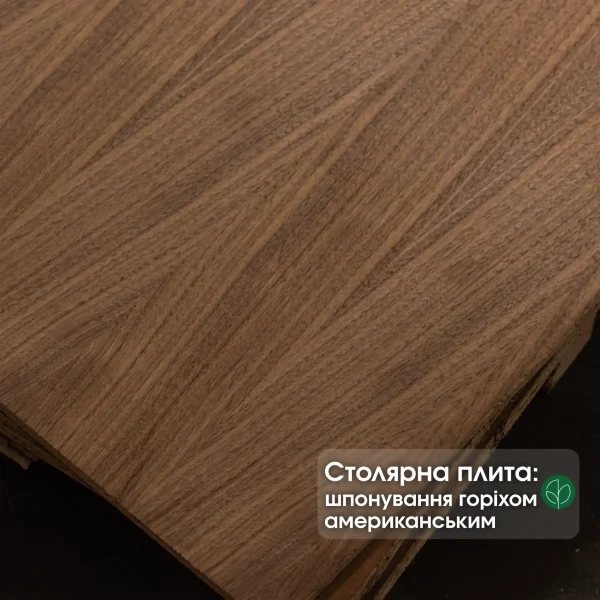
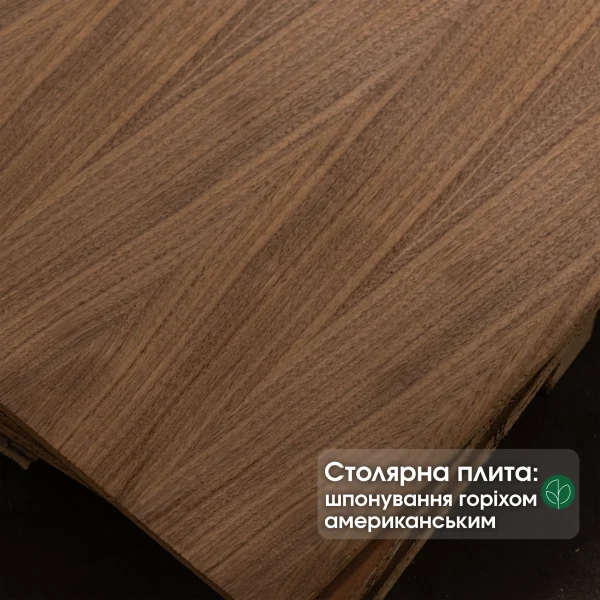
This reliable 19 mm blockboard comes in an expanded 2800×2070 mm format, covering 5.796 m². Faced with Grade I-II natural American walnut veneer, it is an excellent choice for large-scale design projects. It is widely used to manufacture large doors, massive wardrobes, and wall panels for commercial spaces. Dispatched from our Kyiv warehouse, with delivery by transport companies also available.
Structure and Characteristics of Veneered Blockboard
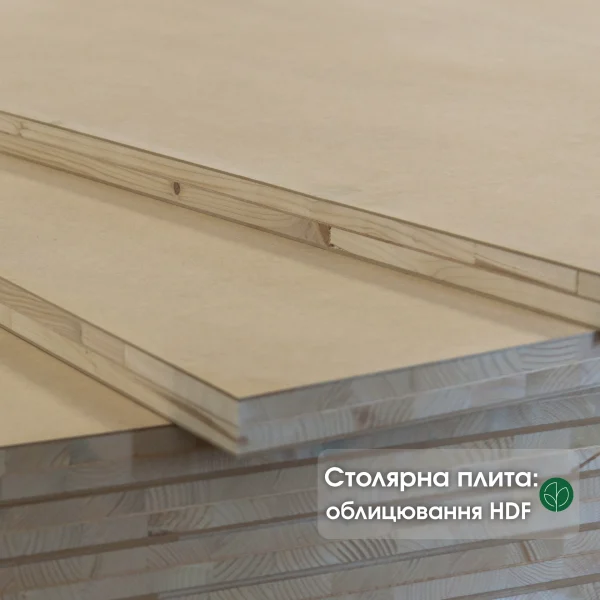
Veneered blockboard is a high-tech wood material that combines the strength of solid wood with the stability of modern composite boards. The core consists of edge-glued wooden blocks or strips. Pine is most commonly used for the core. The blocks are cut to a width of 25 mm and bonded using water-resistant glue under high pressure. This ensures a monolithic inner layer.
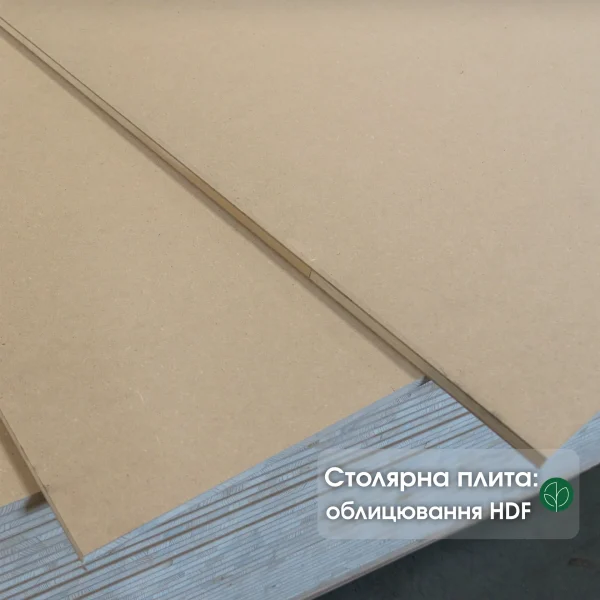
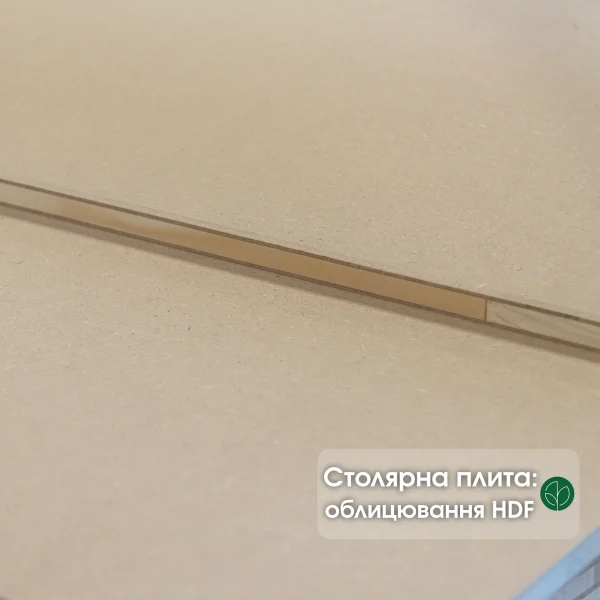
To prevent warping and create a perfectly flat surface, a stabilizing layer is applied. Rotary-cut birch or alder veneer is glued to both sides of the pine core. The final face of this product line is finished with sliced veneer from precious wood species. We offer boards faced with oak, white ash, and American walnut.
Proper wood drying is a crucial stage of production. Drying reduces the internal stress of the material. Moisture content: 10–12%. This exact parameter is optimal for using the boards in residential and commercial spaces. The material meets strict quality standards; specifically, its moisture resistance is confirmed by the PN-76/D-97000 standard. The E1 formaldehyde emission class indicates that the boards are safe for human health, allowing their use even in children’s rooms.
A common question arises regarding the difference between blockboard and edge-glued panels. Blockboard features a core made of affordable wood, covered with rotary-cut and sliced veneer. It is significantly lighter, more cost-effective, and more stable in large formats. An edge-glued panel consists of solid staves of a single wood species without additional facing, making it heavier and more prone to reacting to humidity changes.
Advantages of Using Blockboard
Choosing veneered blockboard is driven by a range of technical and operational benefits. Thanks to its multi-layered structure and pine core, this material possesses unique properties.
- Dimensional stability. The cross-grain arrangement in different layers of the board compensates for the internal stress of the wood. The material is not prone to cracking, warping, or deformation, even during seasonal changes.
- Reduced weight. Blockboard is significantly lighter than a solid wood panel of the same thickness. This reduces the load on furniture hardware, hinges, and fasteners, extending the lifespan of the products.
- Thermal and sound insulation. Natural wood combined with a multi-layered structure effectively absorbs sound and retains heat, making these boards an excellent choice for wall paneling.
- Ease of machining. The material is easy to saw, route, and drill. The wooden core securely holds screws and other fasteners.
What Does Grade I-II Veneer Mean?
Our veneered blockboards feature Grade I-II facing. This is a combined grading format that ensures an optimal balance between aesthetics and the rational use of natural resources. Both sides of the board are covered with natural sliced veneer, but they have certain differences.
Grade I (the face side) is characterized by a high-quality surface. It presents a smooth, beautiful wood grain without significant defects. This side is intended for visible parts of furniture and interior elements. Grade II (the reverse side) allows for more natural wood characteristics. It may feature small live knots or slight color variations. The reverse side is typically used for the internal walls of cabinets, the undersides of countertops, or surfaces adjacent to walls.
Applications of Veneered Blockboard
Thanks to the variety of thicknesses and formats, veneered blockboard is a versatile material for furniture production and interior design. The choice of a specific thickness depends on the task at hand.
Boards with a thickness of 14 mm and 19 mm are most commonly used for creating cabinet furniture. They are used to manufacture kitchen fronts, cabinet doors, bookcases, dressers, and nightstands. These thicknesses are also perfectly suited for producing wall and ceiling panels, room dividers, and lightweight doors. The 2500×1250 mm and 2800×2070 mm formats help minimize waste when cutting parts of various sizes.
The reinforced 39 mm board is designed for load-bearing elements. Its 2100×900 mm format is optimal for crafting massive kitchen countertops, work surfaces, bar counters, and windowsills. In addition, this material is actively used to create stair elements, particularly treads, as well as for constructing sturdy shelves that must support the significant weight of books or decor.
Custom Manufacturing of Blockboard
Every design or furniture project has unique requirements for part dimensions. We understand that standard sheet formats require further adaptation. Therefore, the custom manufacturing of blockboard to specific sizes is an important step in preparing the material for work. You can order professional cutting and sizing of the boards according to your blueprints.
Our managers provide remote consultations on the optimal layout of parts on the sheet, helping to reduce offcuts. We provide full information on material availability in stock, exact dimensions, and payment methods. You can purchase the material starting from a single sheet or order a wholesale batch. Finished parts can be picked up from our warehouse in Kyiv or shipped across Ukraine via transport companies.
Recommendations for Machining and Finishing
The surface of veneered blockboard is fully ready for finishing. The natural sliced oak, ash, or American walnut veneer has a distinct grain that can be accentuated or altered using various varnishes and paints. Depending on the design concept, the boards can be tinted with special stains to achieve the desired shade while maintaining the visibility of the wood fibers.
To protect the surface from moisture, dirt, and mechanical damage, it is recommended to apply varnish or hard wax oil. Varnish creates a durable film that reliably protects the material. Hard wax oil penetrates deep into the wood pores, leaving the surface as natural to the touch as possible and allowing the material to breathe. In some cases, for specific interior solutions, the material can be used without additional finishing; however, a protective coating significantly extends the lifespan of the finished products.
Applications of Veneered Blockboard
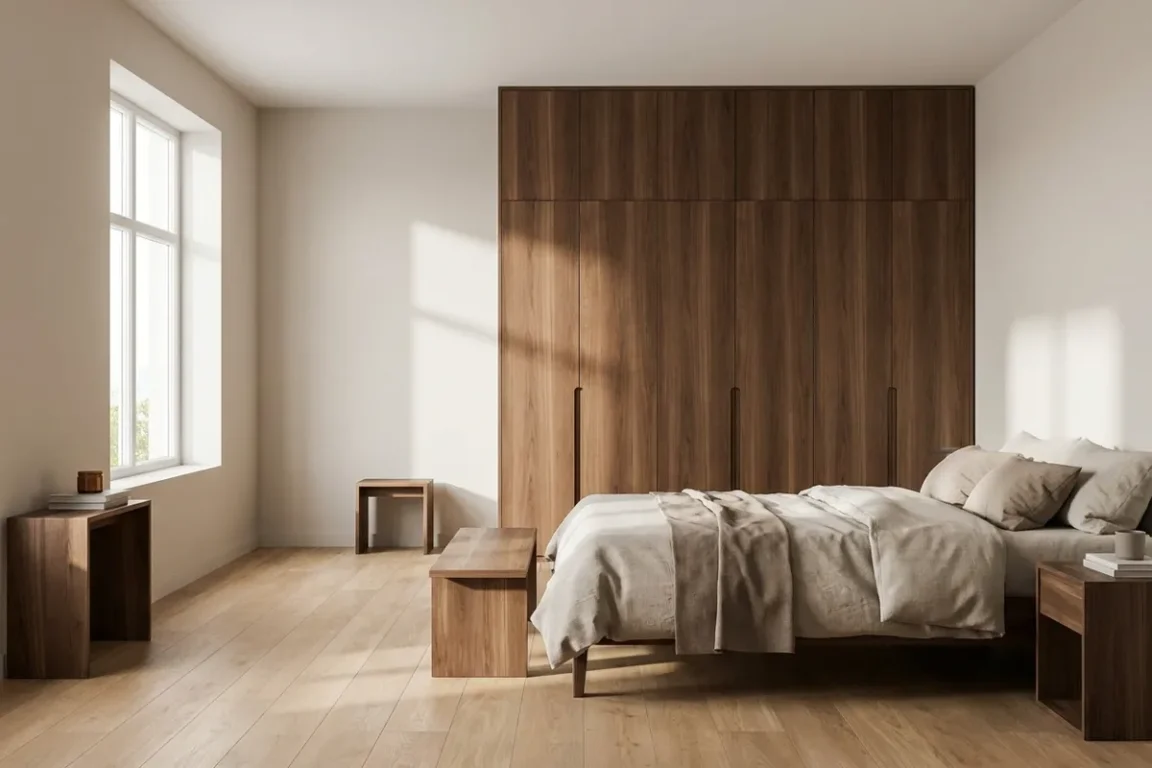
Facades and Cabinet Furniture from Veneered Blockboard
Blockboard faced with natural oak, ash, or American walnut veneer is a reliable material for creating wardrobes, dressers, and shelving units. Thanks to its pine core, this material is significantly lighter than solid wood, reducing the load on hardware. Boards with a thickness of 14 mm or 19 mm are perfect for manufacturing stable furniture facades. The Grade I-II veneer surface is fully prepped for final tinting, varnishing, or hard wax oil application.
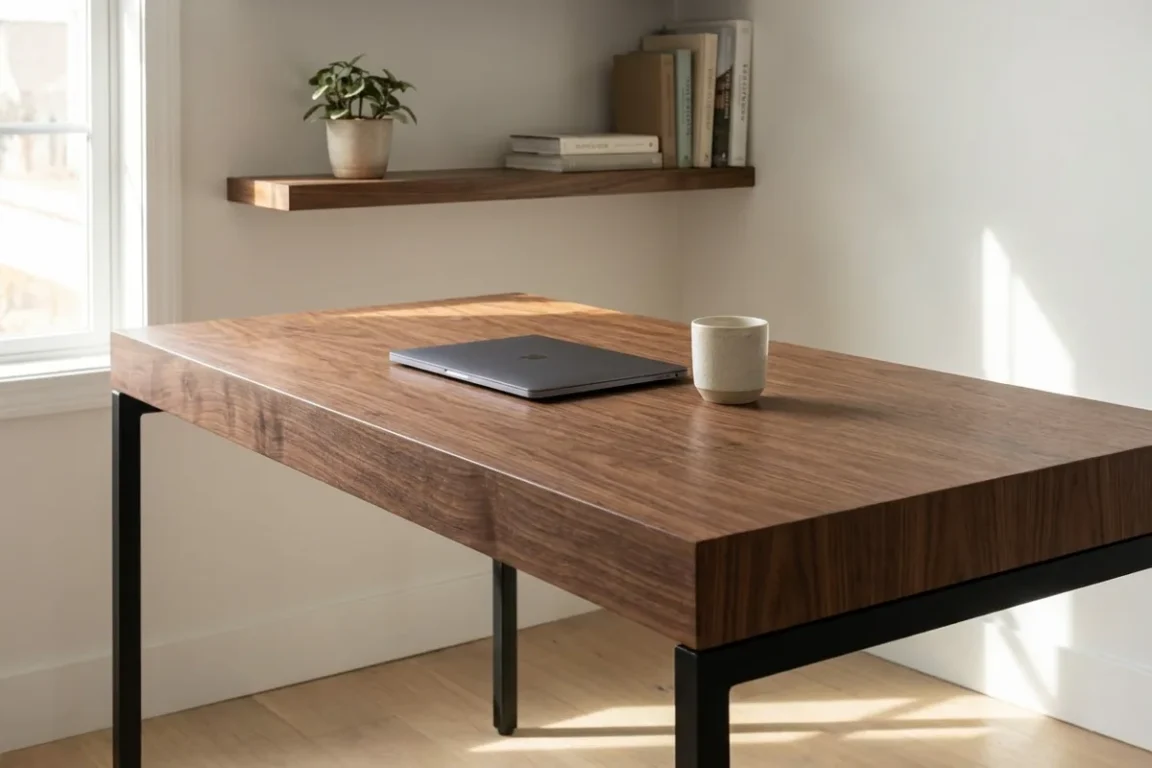
Countertops and Work Surfaces from Blockboard
For heavy-duty elements, we offer reinforced veneered blockboards with a thickness of 39 mm in a 2100×900 mm format. This is an optimal solution for producing durable kitchen countertops, work surfaces, desks, and massive shelves. Thanks to the cross-glued pine blocks and a stabilizing layer of birch or alder, the material resists cracking and deformation. A moisture content: 10–12% ensures the exceptional longevity of the finished product.
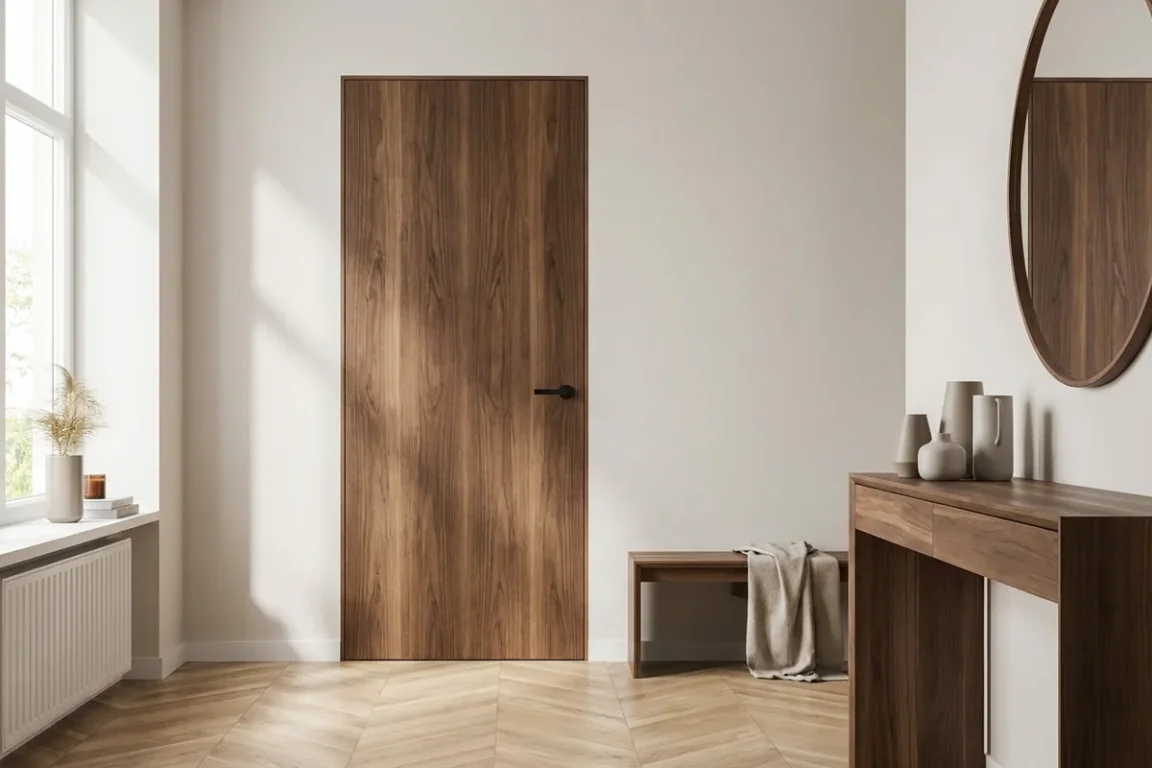
Interior Doors and Partitions with Natural Veneer
Large sheet formats of 2500×1250 mm and 2800×2070 mm allow for the creation of oversized interior doors and sliding partitions. Veneered blockboard features excellent sound insulation properties, which is essential for zoning residential spaces. The material complies with the E1 formaldehyde emission class, making it completely safe for bedrooms and children’s rooms. The board’s construction ensures the geometric stability of the door leaf without hinge sagging.
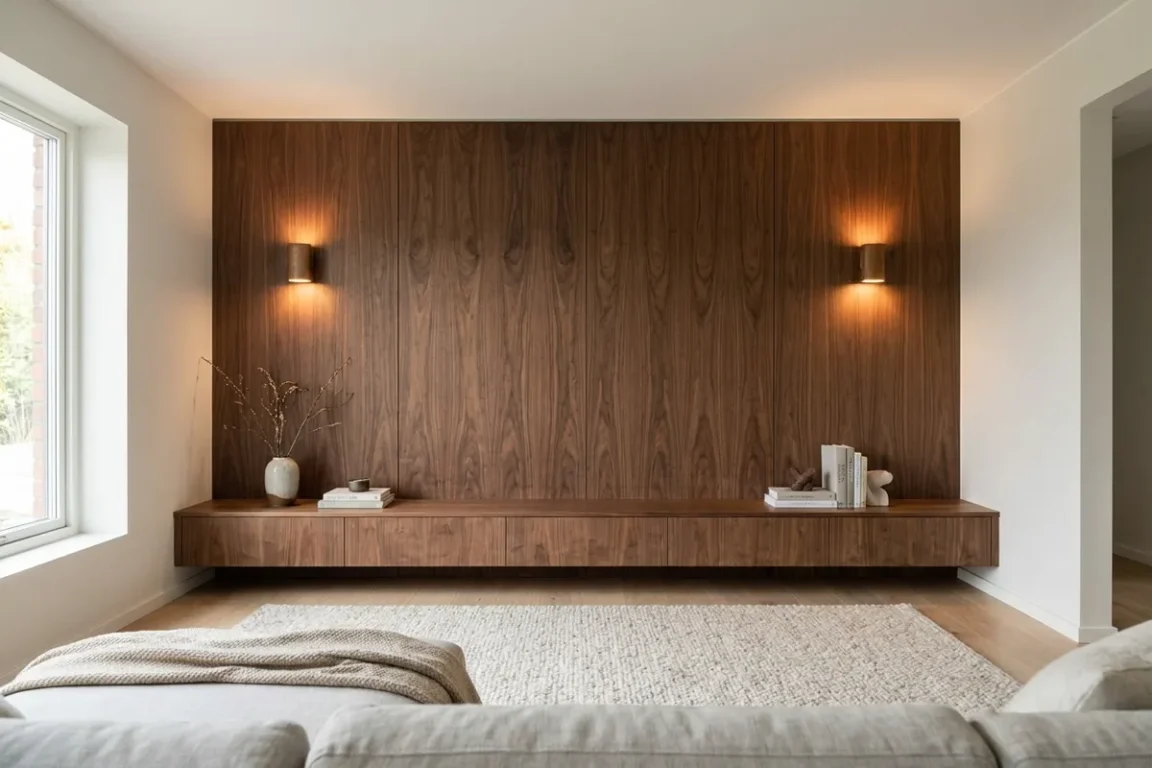
Wall Panels and Decorative Interior Elements
Facing with sliced veneer of precious wood species makes blockboard an excellent choice for manufacturing wall and ceiling panels. American walnut, white ash, or oak wood adds a prestigious touch to any interior while providing additional thermal insulation. Thanks to its lighter weight compared to solid wood, installing large-scale decorative elements is significantly simplified. The front surface only requires a final coating to protect and highlight the natural texture.