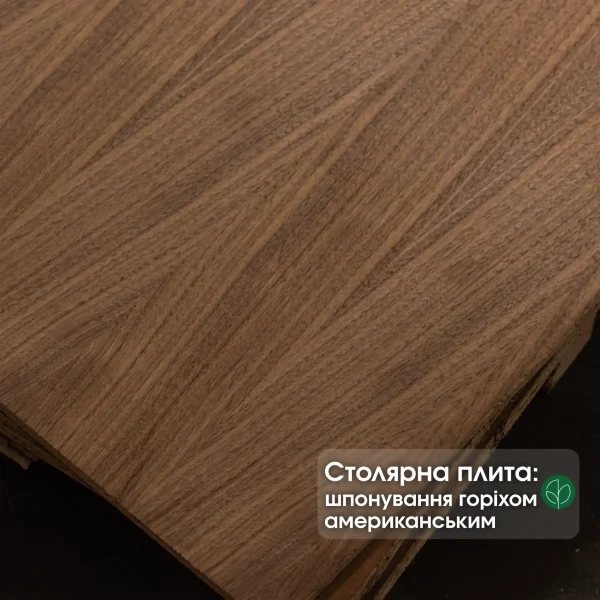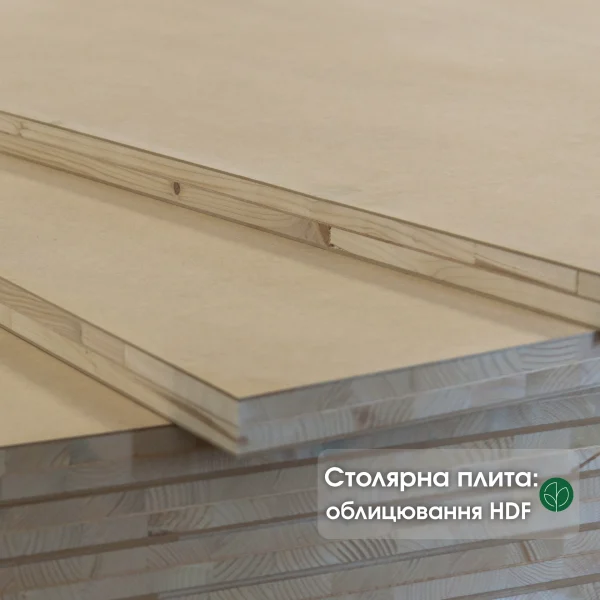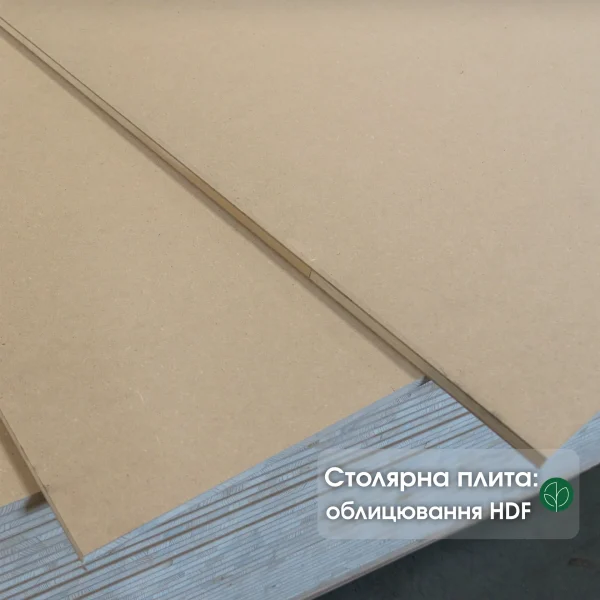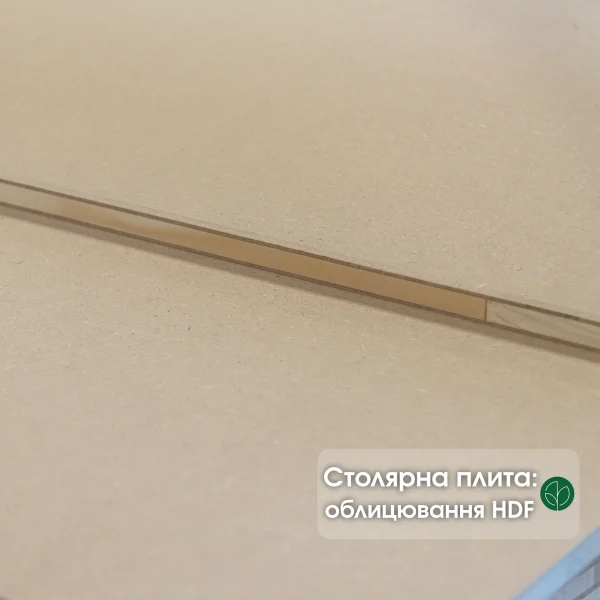
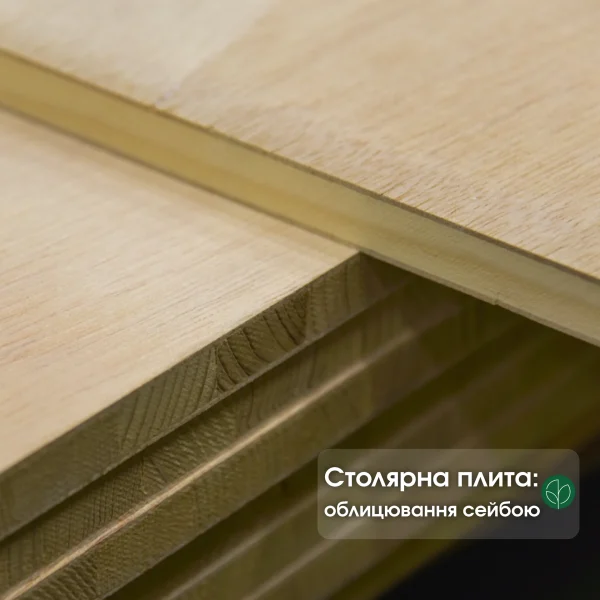


The large-format blockboard, 18 mm thick and measuring 2800×2070 mm, is covered with tropical ceiba veneer. The surface area is 5.796 m². This material combines high strength, eco-friendliness, and lightness, significantly simplifying the installation of finished products. Such sheets are an excellent solution for producing large sliding wardrobes, solid interior doors, and comprehensive finishing for commercial spaces. Our managers provide remote consultations regarding availability and dimensions.
Construction and Technical Specifications of Blockboards
A blockboard is a multi-layered wood material that combines the strength of solid wood with the stability of composite boards. The core of the material is formed from glued wooden blocks or strips. Pine is most commonly used for the core production. The technological process involves the precise cutting of strips 25 mm wide, which are joined using water-resistant glue. High-pressure technology during gluing ensures a monolithic structure and the absence of voids inside the sheet. This structure effectively relieves the internal stress of the wood.
To ensure perfect geometry and prevent surface warping, a stabilizing layer is applied. It consists of peeled birch or alder veneer lamellas glued to both sides of the pine core. The finish veneering depends on the product line, and in this case, ceiba veneer is used. Thanks to this composition, the material acquires high performance characteristics.
The technical parameters of the boards meet strict European standards. The moisture resistance of the material is regulated by the PN-76/D-97000 standard. An important indicator is environmental safety: the products have an E1 formaldehyde emission class, allowing them to be used in residential premises without restrictions. The drying process takes place in special kilns, where the wood gradually loses excess moisture. Moisture content: 10–12%. Adherence to this indicator guarantees a long service life for finished products.
Veneering Features: Ceiba Wood
Ceiba, also known as fromager (Ceiba/fromager), is a tropical wood species widely used in the woodworking industry due to its unique physical properties. Peeled ceiba veneer is used for double-sided finish veneering of blockboards. This wood is distinguished by its light shade and pronounced uniformity of texture.
The surface of ceiba veneer is smooth and matte, making it an ideal base for further decorative finishing. One of the most important characteristics of this tropical species is its remarkable lightness. Using ceiba as the outer layer does not weigh down the overall board structure, while maintaining a high-quality surface ready for any painting or joinery work.
Advantages of Ceiba-Faced Blockboard
The choice of ceiba-faced blockboards is justified by a number of technological and operational advantages. This material was developed as an alternative to traditional solid wood, devoid of its typical drawbacks.
- Reduced weight. A blockboard is significantly lighter than a solid wood board of the same thickness. This is critically important when creating large structures, as it reduces the load on hardware and load-bearing elements.
- Dimensional stability. Thanks to the multi-layered structure and the birch or alder stabilizing layer, the material is not prone to cracking and deformation, even with changes in the indoor microclimate.
- Insulating properties. The natural pine wood in the core and air micropores provide excellent thermal and sound insulation properties for finished products.
- High wear resistance. Despite the visual delicacy of the ceiba veneer, in combination with a solid underlayer, the surface withstands everyday loads well.
- Convenient installation. The lightness of ceiba boards makes the process of transportation, cutting, and installation much easier and faster.
Applications of the Material
Ceiba-faced blockboards are a versatile semi-finished product for the furniture industry and interior design. Thanks to their smooth matte surface, they serve both as an excellent base for further finishing and as a final material. The use of such boards allows for the creation of massive-looking structures that do not put excessive strain on floors and ceilings.
The main areas of application include:
- producing sturdy furniture cabinets for wardrobes, chests of drawers, and kitchen sets;
- creating lightweight interior partitions for space zoning;
- manufacturing wall panels for residential and commercial premises;
- constructing interior doors for concealed and standard installation;
- fitting out storage systems and walk-in closets.
Blockboard vs. Edge-Glued Panel: Key Differences
In woodworking, the choice often arises between different types of wood materials. Blockboards and edge-glued panels have fundamental structural differences that determine their purpose.
An edge-glued panel consists of solid wood lamellas glued together without additional veneering. It showcases the natural texture of solid wood throughout the entire depth of the material.
In contrast, a blockboard is a composite structure where a core made of an accessible wood species is covered with a stabilizing layer and finish veneering. This solution makes the board lighter and more affordable than a solid panel. Furthermore, the cross-grain arrangement in the veneer layers and core blocks guarantees higher material stability, minimizing the risk of warping.
Custom-Size Blockboard Manufacturing
Every project requires a precise approach to details. We offer not only standard sheet formats but also services that make it easier to adapt the material to your needs. Custom-Size blockboard manufacturing involves professional cutting and sizing of the material according to your project specifications.
Our managers provide remote consultations, helping you calculate the required amount of material, check warehouse availability, and select the optimal dimensions to minimize waste during cutting. You can purchase the material starting from 1 sheet (retail) or in bulk. For the convenience of our customers, pickup from our Kyiv warehouse is available, as well as delivery across Ukraine by shipping companies. Specialists will also provide comprehensive information on available payment methods.
Processing and Finishing Recommendations
The surface of peeled ceiba veneer is characterized by high adhesion to various finishing materials. This opens up wide possibilities for design solutions.
Before applying paint and varnish materials, light sanding with a fine-grit abrasive is recommended to achieve perfect smoothness. The material paints well with acrylic, polyurethane, and water-soluble enamels. Thanks to the uniform structure of ceiba, the paint lays down in an even layer without spots. The boards also take varnish beautifully, allowing you to preserve the natural light shade of the tropical wood and protect the surface. Because of the light base color, you can easily tint the board to any shade without the risk of color distortion.
In cases where an imitation of precious wood species is required, the ceiba surface serves as a perfect base for veneering with sliced oak, walnut, or ash veneer. In addition, the material is easily laminated with films or HPL plastic, making it indispensable in the production of wear-resistant furniture fronts and countertops. During machining (sawing, routing, drilling), the board does not crumble, and the edges remain smooth thanks to the dense stabilizing layer of birch or alder.
Applications of Ceiba-Faced Blockboard
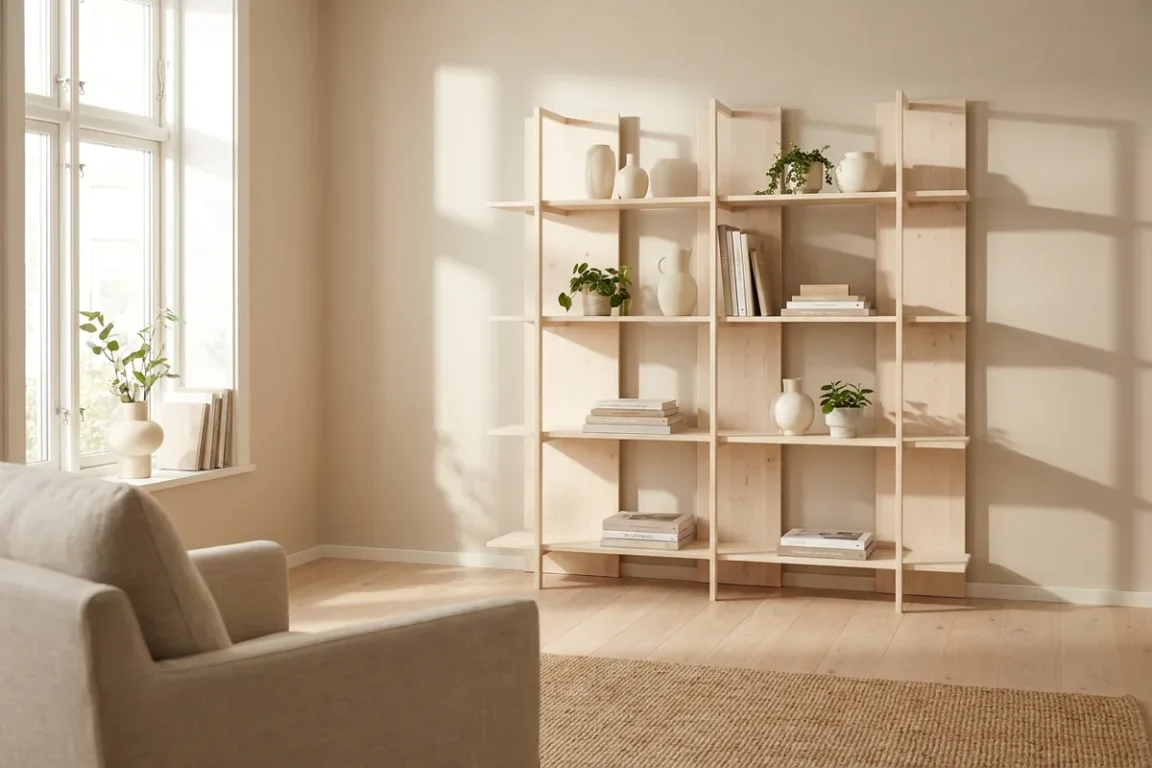
Lightweight Cabinet Furniture and Shelving
Ceiba(fromager)-faced blockboard features a remarkably low weight, making it an optimal material for manufacturing lightweight cabinet furniture. Sheets with a thickness of 13 mm or 18 mm are perfect for creating sturdy shelves, racks, and cabinets that do not overload the structure. Thanks to the solid pine block core, the material holds fasteners securely, while its excellent dimensional stability prevents deformation during long-term use.
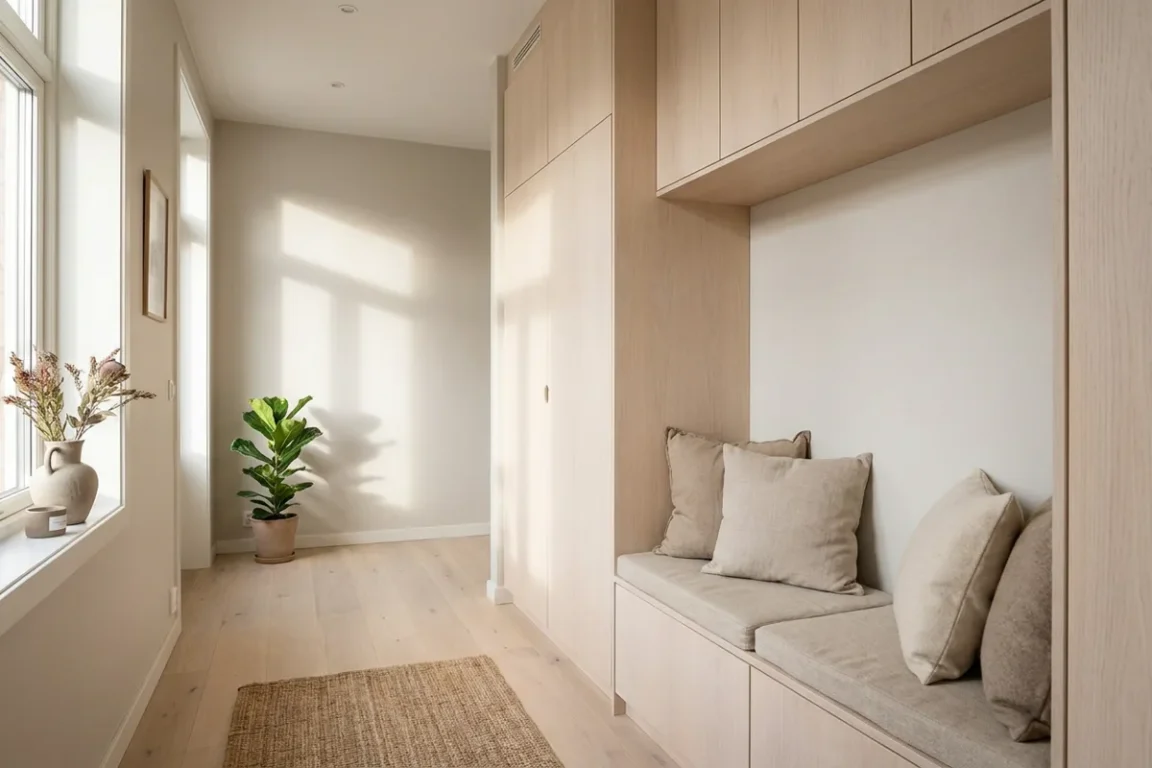
Built-In Furniture and Mezzanines
When designing built-in wardrobes, dressing rooms, and spacious mezzanines, it is crucial to use materials that minimize structural load. Blockboard panels available in 2500×1250 mm and 2800×2070 mm formats allow for the seamless installation of large doors and partitions. The light, uniform surface of this tropical wood is ideal for minimalist facades, while a moisture content: 10–12% guarantees the long-lasting geometric stability of finished products.
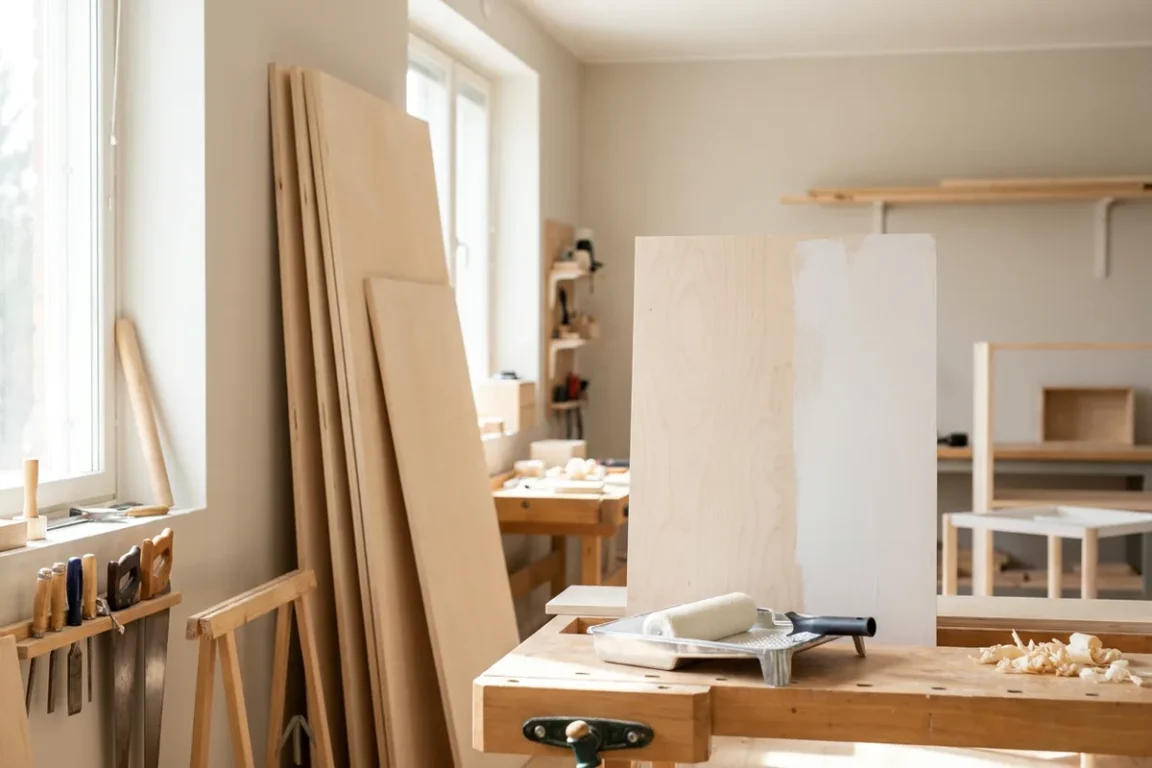
Perfect Base for Final Finishing
The smooth, matte surface of peeled ceiba veneer provides a flawless foundation for further decoration. This veneered blockboard is exceptionally easy to paint, tint, varnish, or overlay with precious wood veneers. Its eco-friendly nature is confirmed by the E1 formaldehyde emission class, making it a perfectly safe choice for crafting interior wall panels and internal doors with absolutely any type of topcoat finish.

Exhibition and Commercial Retail Structures
Combining lightness with high strength, ceiba-faced blockboards are widely used for assembling commercial retail equipment. They are excellent for building exhibition stands, fitting rooms, display cabinets, and podiums that are easy to transport and install. Moisture resistance according to the PN-76/D-97000 standard ensures structural durability even in environments with fluctuating microclimates, while the large panel sizes significantly speed up the entire assembly process.