
Order
Place order
Clear the whole list?
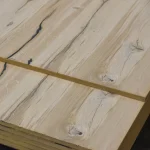
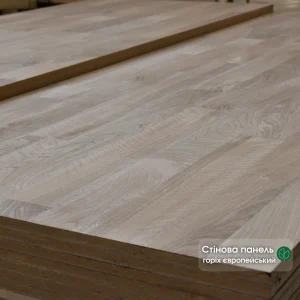
Wood wall panels are cladding boards with a natural timber face for feature walls and accent zones. In stock: a European walnut parquet-pattern panel, 19 mm, 1033×2800 mm, grade I/II. The range is growing — ask our manager.
Exclusive MDF wall panels are an alternative to the usual ways of finishing a wall. Cladding with boards solves several problems at once. First, lining a room with veneered panels is a stylistic move that gives the space the mood you are after. Second, timber-based boards help to reduce noise levels and to regulate the indoor climate.
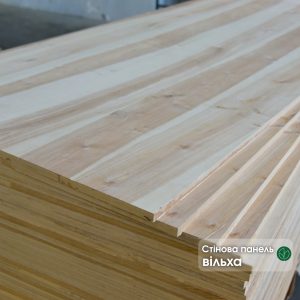
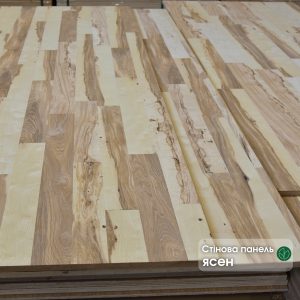
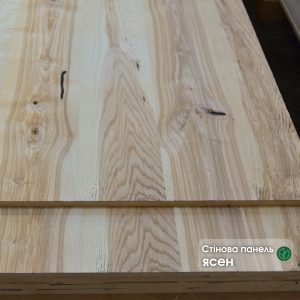
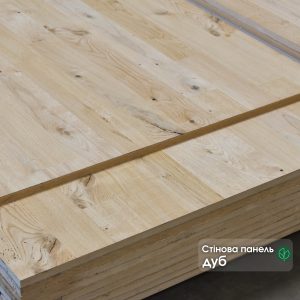
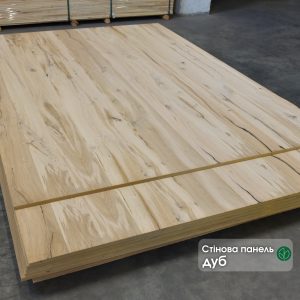
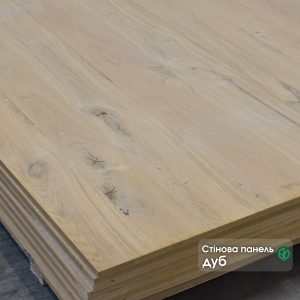
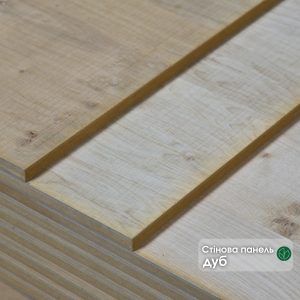
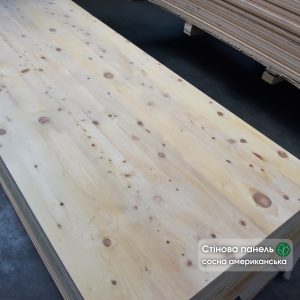
Our catalogue carries wall panels faced with natural veneer:
Environmentally safe, easy to install and carrying a figure that never repeats, these wall panels are chosen for rooms of very different styles. Wooden wall panels in oak, ash, American pine, European walnut and alder fit interiors in the loft, minimalist, neoclassical, eco, Provençal, baroque and country styles. MDF interior panels with a crisp timber figure are an essential element of houses and flats in the English, Scandinavian and American styles.
WoodWay Expert supplies MDF boards faced with exclusive veneer for wall decoration. The catalogue carries panels:
You can buy an MDF wall panel by placing an enquiry on the site or by visiting our warehouse in Kyiv. Our managers will help you choose the right cladding materials for your project and will confirm the price of veneered panels for trade and retail customers. Collection from the warehouse is possible, and MDF wall panels can be delivered across Ukraine by carrier companies.
Decorative wall panels in place of wallpaper or paint are a device interior designers turn to often. This kind of lining looks right in both classical and contemporary settings. Cladding the walls also helps to reduce noise and to regulate the temperature in the room. People choose wall panels for a number of reasons. For some the decorative qualities matter, for others the ease of installation, and for others again the simple upkeep. Below we look at the types of wall panel used for interior finishing, at the materials they are made from and at how the various cladding materials behave in use.
There are several ways of classifying interior panels. The most common are based on the intended use, the material, the construction and the design. Let us look at each of these in more detail.
Cladding sheets fall into two broad groups: those for domestic rooms and those for public spaces. Depending on the conditions they are used in, wall panels differ in their properties and, as a result, in price.
Walls can be finished with fabric tapestries and with glass or metal screens. Today, however, the most popular materials for wall panels are these:
| Timber | A natural material, and an environmentally safe one. The figure of every board is unique, which is why solid timber yields exclusive wooden panels. Cladding with a figure created by nature suits interiors of very different styles. Wooden panels are chosen when fitting out contemporary, traditional and ethnic schemes. |
|---|---|
| Wood-based boards | A more affordable alternative to solid timber sheets is the wood-effect wall panel made from particle board or MDF. Medium-density fibreboard is the more environmentally sound of the two and is easier to machine, which is why it is recommended for cladding materials. Sheets of veneered MDF are visually hard to tell apart from solid wood wall panels. To bring out the beauty of the natural figure and texture, the surface is toned and finished with oils, waxes or lacquer. |
| PVC, plastic | Decorative PVC wall panels are popular because of the wide choice of textures and colours. Matt and gloss, three-dimensional and flat sheets are all on the market. Manufacturers also offer sheets in a range of sizes. |
Wall cladding materials also differ in their construction. Solid sheets are used most often, but a perforated wall panel is sometimes met with. Given current interior-design trends, the market offers:
Design is an important criterion — if not the main one — when choosing a wall panel for a bedroom, a study or a hallway. The right finishing materials create the perfect backdrop for furniture and other furnishings, and even give the room the mood it needs. Asked for a stylistically universal option for walls, designers name the wooden wall panel. The natural material fits organically into dozens of schemes. Sheets in wood, or with a wood effect, are chosen for interiors in the following styles:
WoodWay Expert offers an exclusive finishing material — decorative wall panels made from veneered MDF. Sheets faced with thin slices of natural timber are visually hard to tell apart from solid wood. MDF boards stand up to the demands of both domestic and public rooms, which is why they are widely used when fitting out spaces of every kind, from bedrooms and children’s rooms to conference halls and hotel rooms. The main reasons to buy MDF wall panels are the properties set out below.
Environmentally sound materials. MDF is made from wood flour and binders of natural origin. The boards shown in our catalogue carry formaldehyde emission class E1 and are safe for the health of people and animals. MDF is approved for use in living spaces, children’s rooms included. Thanks to its dense, homogeneous structure, MDF cuts easily. Natural edge banding is used to close the edges. One more point worth making: MDF production uses shavings and other by-products of timber processing. Wooden wall panels are about natural beauty and authenticity, yet it is not always sensible to use exclusive timber species to clad a wall. A wood-based board is an affordable alternative to solid timber, and one that makes rational use of natural resources possible.
A unique design. Pressed boards are ready to use once they have been cut to size, but sheets with an untreated surface are not used in finishing work. MDF is decorated by laminating, painting or facing with natural veneer. The last of these makes it possible to produce sheets that will suit practically any interior. Look up fashionable wall panels and the recommendations will always include wood-effect options. MDF boards faced with natural veneer are always a unique finishing material. Every tree trunk has a figure of its own. And once you take into account that rare decorative veneers are used to face exclusive MDF, you can be certain the cladding is exclusive too. The pattern of the veneer lay-up is arranged so as to bring out the beauty of the timber figure and the character of the texture to the full.
Simple installation. Self-adhesive wall panels are considered the easiest to fit. That kind of cladding, however, is usually made of PVC and can boast neither a distinctive appearance nor environmental credentials. Veneered MDF panels come in large formats, which makes installation faster and simpler. Fixing one board, or several, does not take long. Wall panels are usually installed in one of two ways. In the first, the MDF sheets are screwed to battens; in the second, a special adhesive is used.
As noted above, wood-based MDF panels are hard to tell apart from solid timber sheets in an interior. Veneering yields affordable, good-looking products that help to bring out the individuality of a space. The exclusive veneered MDF panel category includes boards faced with oak, ash, alder, American pine and European walnut veneer. None of these species is exotic and all are available on the joinery market. So where does the value of the cladding lie? The finishing material has knots and/or a distinctive colouring of the sapwood and the heartwood.
From a technical point of view a knot — the part of a branch enclosed by bark — counts as a defect. In the volume production of furniture and other household items, knotty veneer sheets are not used, because the figure is irregular. For exclusive pieces, however, veneer with a figure that never repeats could not be better suited. The unique combination of knot shapes and shades, together with the limited number of trunks that knotty veneer can be taken from, is why designers value this natural cladding so highly.
Another decorative effect on a timber sheet is the contrast between the outer layers and the core. In some species the central part can differ markedly in colour from the sapwood. Alternating light and dark bands, along with wayward swirls, form unique patterns in the timber.
We offer MDF wall panels veneered in:
WoodWay Expert specialises in wood-based materials for the manufacture of furniture and other interior items. Our catalogue carries MDF panels for wall cladding, veneered in precious natural timbers. You can choose designer wall panels for yourself by visiting our warehouse in Kyiv. For customers elsewhere in Ukraine there is a catalogue with full specifications and photographs of the MDF wall panels. Our managers will help you find the veneered boards that best suit a particular design scheme. Collection from the warehouse is possible, and orders can be sent by carrier companies. Our specialists will confirm the price of MDF wall panels for trade and retail customers when they process your enquiry. We help to deliver projects of any complexity. Get in touch!