Sawn Alder Veneer: Uses, Grades, Sizes, and Features
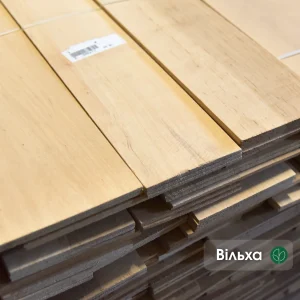
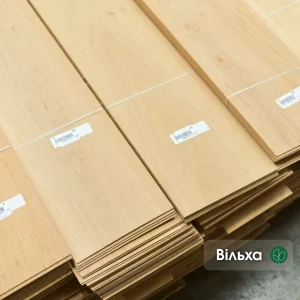
Sawn alder veneer is a timber product created by sawing a wooden beam into thin boards, typically 2 to 10 mm thick. The lamella retains the solid wood’s colour and texture, acting as a highly efficient alternative in manufacturing. Minimum order is 1 pack. The pack price depends on sheet thickness, dimensions, and grade. Delivery across Ukraine, warehouse collection in Kyiv available.
The operational advantages of the material are as follows:
- Easy to tint. Thanks to its uniform porous structure, alder lamella readily absorbs stains, oils, and varnishes. This allows the timber to be easily adapted to mimic more expensive and rare wood species, such as mahogany, cherry, or walnut.
- Stability. Sawn veneer is highly resistant to cracking and warping. The material is easily cut, routed, and glued during production.
- Aesthetic versatility. The nearly monochromatic wood canvas of alder is an optimal solution for modern interior styles. It fits perfectly into minimalism, eco-design, Scandinavian modern, and neoclassicism.
- Eco-friendliness. Using lamellas helps optimise the consumption of forest resources. It allows for the creation of durable products using significantly less timber.
Affordable and easy to work with, this timber product is suitable for projects of various styles and complexity levels. To purchase alder sawn veneer, submit an enquiry or contact our manager directly.
Sawn Alder Veneer Sizes: Stock Programme and Custom Orders
We maintain a constant stock of popular sawn veneer sizes at our warehouse in Kyiv. Designers and furniture makers can collect ready-made timber products on the very day they enquire. Alongside standard options, we also offer custom timber manufacturing upon request.
Comparative Table of Sawn Alder Veneer Specifications
| Technical Parameters
|
Stock Range (In Stock)
|
Custom Production (Made to Order)
|
| Sheet thickness
|
2.5 mm or 4.5 mm
|
Range from 2 mm to 10 mm
|
| Canvas width
|
From 120 mm
|
From 120 mm to 210 mm
|
| Bundle length
|
From 0.5 m to 3 m
|
From 0.5 m to 3 m
|
Manufacturing a batch of material to custom sizes usually takes up to 10 working days, depending on production capacity. The minimum order volume required is at least 10 m².
Classification of Sawn Alder Veneer by Grade
Grading timber is a standardised system for evaluating wood quality and aesthetics, helping craftsmen and designers choose the right material. The grade determines the visual characteristics of the lamella’s face. This includes the presence of knots, colour uniformity, texture, and permissible natural growth features.
Alder sawn veneer is sorted according to international standards. This ensures that factories and craftsmen can achieve predictable results when crafting furniture or interior solutions.
Overview of Sawn Alder Veneer Grades
| Grade
|
Description and Visual Characteristics
|
Recommended Application
|
| Grade 1 (A)
|
The highest level of quality. The surface features a uniform colour and even texture. Only occasional ‘eyes’ (pin knots up to 2–3 mm) are permitted. There are no cracks, medullary rays, or sapwood.
|
Premium furniture facades, interior details, and musical instruments.
|
| Grade 2 (B)
|
Material with natural characteristics. Small, healthy ‘live’ knots and minor colour variations are allowed.
|
Furniture manufacturing, parts for painting or tinting, and side panels of cabinets.
|
| Grade 3 (C)
|
A budget-friendly option with pronounced natural character. Large knots, core wood, and colour changes are possible. Small, filled cracks that do not affect strength are permitted.
|
Internal furniture parts, bases for painting, and items in loft, rustic, country, eco, Japandi, or Scandi styles.
|
Alder Sawn Veneer: Where is it Used?
Combining stability with a uniform texture, sawn alder veneer (lamella) has become a highly popular material in furniture production and interior design. It is a versatile solution for creating reliable, affordable products that are visually and tactilely identical to solid wood.
Below are the main areas where alder lamella is actively utilised:
- Worktops. Using sawn alder veneer allows for the construction of solid-looking structures. The timber is used to veneer kitchen and writing desks. Alder absorbs stains evenly, so it is often tinted to resemble cherry, walnut, or other species. The veneered surface is easy to varnish, protecting the worktops from moisture and dirt.
- Furniture facades. Alder is a favourite amongst joiners due to its ease of processing. Sawn veneer is ideal for creating facades for wardrobes, chests of drawers, display cabinets, dressing tables, and bedside tables. Furniture veneered with alder is used in kitchens, living rooms, dressing rooms, studies, hotel rooms, and children’s bedrooms.
- Internal doors. Finishing a door leaf with alder lamella is not merely about aesthetics. Such doors look substantial but weigh less and are more stable than solid wood doors.
- Wall panels. Sawn alder veneer is used to create wall panels from MDF, chipboard, or plywood. Wooden interior panels improve room soundproofing whilst serving a decorative function. The uniformly textured surface naturally complements modern minimalist interiors. Alder can be easily tinted or painted to fit any specific design project.
- Partitions. Alder is used to veneer non-load-bearing walls and internal partitions. These structures are a simple way to alter a room’s layout or highlight functional zones. Furthermore, thick lamella sheets are used to create baffles—decorative slats used for wall and ceiling decoration, partition manufacturing, and furniture detailing.
When selecting lamellas for worktops or other surfaces subject to mechanical stress, pay close attention to the thickness. Professionals recommend sawn veneer from 4 mm thick, as this timber provides sufficient material for future surface refinishing.
Main Stages of Alder Sawn Lamella Production
Producing alder lamella is a multi-stage technological cycle requiring precision and strict adherence to standards. Each processing stage aims to preserve the wood’s natural aesthetics and ensure maximum durability for the finished goods.
The primary stages of sawn alder veneer production include the following:
- Raw material selection. Only premium or first-grade boards are selected to create high-quality lamellas. This guarantees the absence of structural defects, large knots, or rot, which is crucial for finishing work.
- Kiln drying. The selected workpieces undergo thermal treatment in drying chambers to reach a stable moisture content of 8–10%. Proper drying relieves internal stress, minimising the risk of timber warping or cracking during use.
- Workpiece calibration. Before the actual sawing, the boards are prepared and calibrated. The material is levelled and adjusted to the precise parameters of the saw cassette, ensuring stable feeding and a uniform cut.
- Sawing. Following jointing, the prepared boards are loaded into machines and cut into thin sheets of a specified thickness. Modern equipment ensures accurate dimensions whilst minimising sawdust allowance and optimising valuable raw material usage.
- Quality control and sorting. In the final stage, every lamella is checked for dimensional accuracy. The resulting timber is grouped by grade and formed into bundles, making it easier to select material for specific tasks. Bundles are then labelled and stacked on pallets for transport or storage.
Multi-stage production control guarantees that the sawn alder veneer meets the demands of the furniture and design industries. By following these protocols, craftsmen receive reliable timber that retains its shape and original appearance for decades.
Alder Wood: Key Characteristics
Alder (Alnus) is a broadleaved species common in the temperate zone of the Northern Hemisphere. In Ukraine, the Black Alder and Grey Alder are the most frequently found. Their habitat spans Polissya, the Forest-Steppe, and the Carpathians, predominantly in moist areas along rivers.
Alder is classified as a softwood, with a Brinell hardness rating of 2.7. The wood’s density ranges from 420 to 530 kg/m³. The solid wood has medium wear resistance and requires a protective coating. However, the timber is resilient and not prone to brittleness. Following hydrothermal treatment, alder can be easily bent.
Alder is known as the ‘chameleon tree’ due to its ability to absorb pigments and change appearance after treatment. Freshly cut wood is white or pale yellow but quickly turns orange-red or yellow-brown upon exposure to air. After kiln drying and sanding, it acquires a golden-cream hue.
The texture is fine, homogenous, and uniform. Annual rings are weakly defined. The fibres are predominantly straight. Pores are very fine and evenly distributed across the entire width of the annual ring.
The timber is effortless to cut, route, and sand. The solid wood does not splinter during delicate carving, making it an excellent choice for decorative elements. Alder holds all types of glue exceptionally well. Screws and nails can be easily driven into the medium-density solid wood.
Why Order Sawn Alder Lamella from WoodWay Expert?
WoodWay Expert is dedicated to providing furniture manufacturers, joiners, and craftsmen with quick access to high-quality timber materials. Over more than 30 years, we have established partnerships with furniture enterprises, building contractors, architectural studios, and small artisan workshops.
Below are the key reasons why clients choose our company as their sawn veneer supplier:
- In-stock availability. A supply of timber in standard thicknesses (2.5 mm and 4.5 mm) is readily available in our warehouse. Thanks to our stock programme, clients do not need to wait for manufacturing or extra deliveries. You can personally inspect the material, select bundles by texture and shade, and collect your order after payment. The warehouse operates Monday to Friday, 08:00 to 17:00.
- Made-to-order manufacturing. We produce lamellas with custom parameters for bespoke joinery or design projects. We accept orders for sawn veneer with thicknesses ranging from 2 to 10 mm. The minimum batch is 10 m² of timber from a single species. Standard order fulfilment takes roughly 10 working days. Please verify the current price per square metre with our managers.
- Extensive product range. Our stock programme features lamellas from over 15 wood species. If necessary, we can manufacture material from other species not included in the standard range. This approach allows you to source timber with the precise decorative and physical characteristics required for your project.
- Collection or delivery across Ukraine. Clients can collect their orders independently from our Kyiv warehouse. We also organise dispatch throughout Ukraine via transport companies.
- Remote material selection. If you cannot visit the warehouse, selection can be handled remotely. Simply detailing the required square meterage, species, and desired parameters. A manager will prepare options and send photographs and technical specifications of available bundles. Once details are agreed upon, an invoice is issued, and dispatch occurs after full payment.
- Convenient payment methods. You can pay for orders at the warehouse in cash, and a till receipt will be provided. Cashless payments (including VAT) are available for businesses and manufacturers.
- Bundle sales and wholesale batches. Sawn veneer is sold in bundles. The material area within a bundle depends on the dimensions and number of sheets. Cost is calculated using the formula: price per m² × (length × width × number of sheets). We fulfill wholesale orders for manufacturing facilities.
We create bespoke commercial offers for our regular wholesale clients. The discount rate is determined by the purchase volume and the type of product required.
Where and How to Buy Sawn Alder Veneer in Ukraine?
You can order cladding material in several convenient ways, depending on whether you can visit the warehouse personally or prefer remote selection.
- Visit the warehouse. At our wholesale and retail warehouse, clients can personally inspect available lamella bundles to assess shade and texture. This format ensures you select the material that best meets your project’s demands. Managers will assist you in navigating the range, selecting optimal options, and calculating the order cost based on material area. Warehouse address: 7d Zdolbunivska St, Kyiv (Entrance via 17e Dniprovska Embankment).
- Contact a manager by phone. If visiting the warehouse isn’t feasible, you can place an order remotely. Simply ring +380 (67) 180-38-13 or drop a message on Viber or Telegram. Upon receiving your request, a manager will forward photographs, videos, and specifications of the available timber so you can evaluate the material prior to purchase.
- Place an order via the website. Another method to purchase sawn veneer is using the website’s order form. Select the timber species and required lamella thickness, then add the item to your basket or send an enquiry via the contact form. A manager will then contact you to clarify the required square meterage and payment terms, and can provide photos of the material prepared for dispatch if necessary.
We handle projects of all scales, ranging from individual designer pieces to comprehensive orders for production lines and furniture factories. Get in touch, and we will help you source the perfect material for your specific task.